Getting a dental crown might sound complicated, but it is a very straightforward procedure. Most people walk out with their tooth protected and their smile intact. Understanding how a dental crown is done from start to finish helps you know what to expect at each stage.
What Is a Dental Crown?
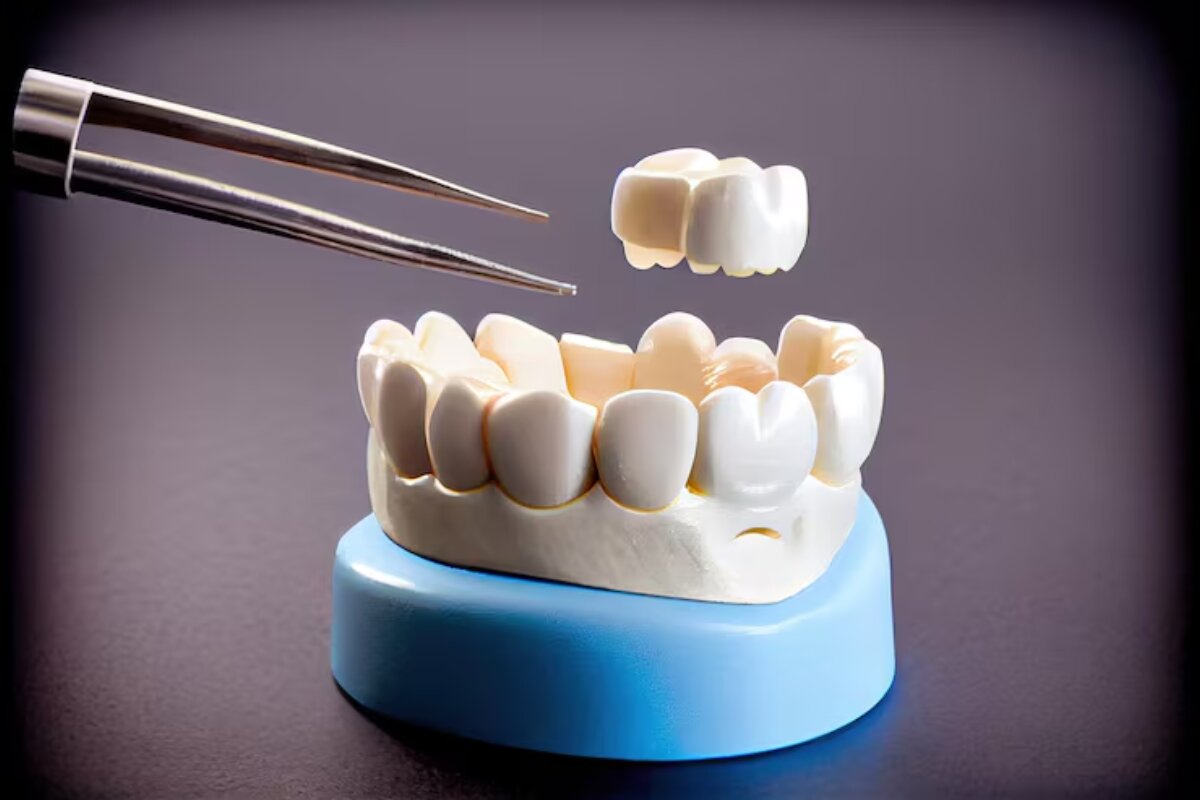
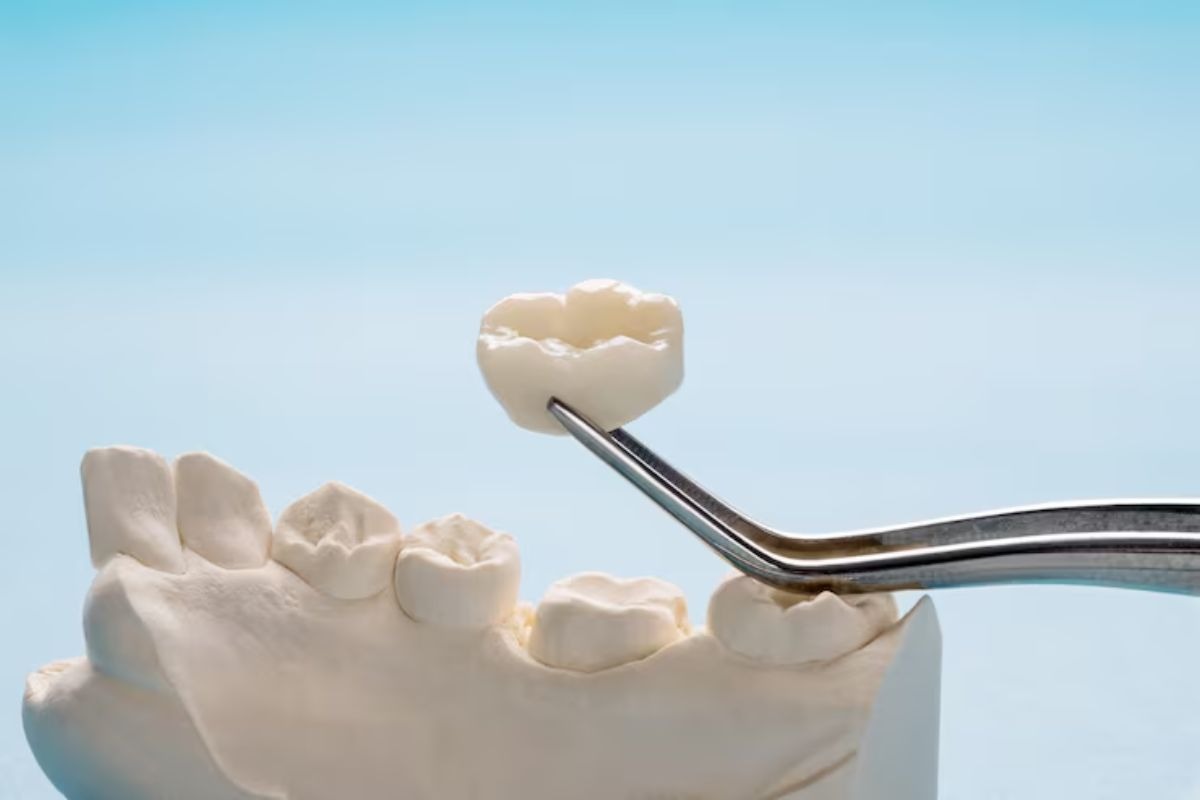
A dental crown is a custom-made cap that fits over a damaged or weakened tooth, restoring its shape and strength. Your dentist may recommend one for a cracked tooth, a large cavity, or a tooth that has had a root canal.
If you are looking for dental crowns near you, the process takes two appointments spread a week or two apart. Here is what happens at each one.
First Appointment: Preparing the Tooth
The first visit is the longer of the two, focused on preparing your tooth for the crown.
Step 1—Examination and X-Rays
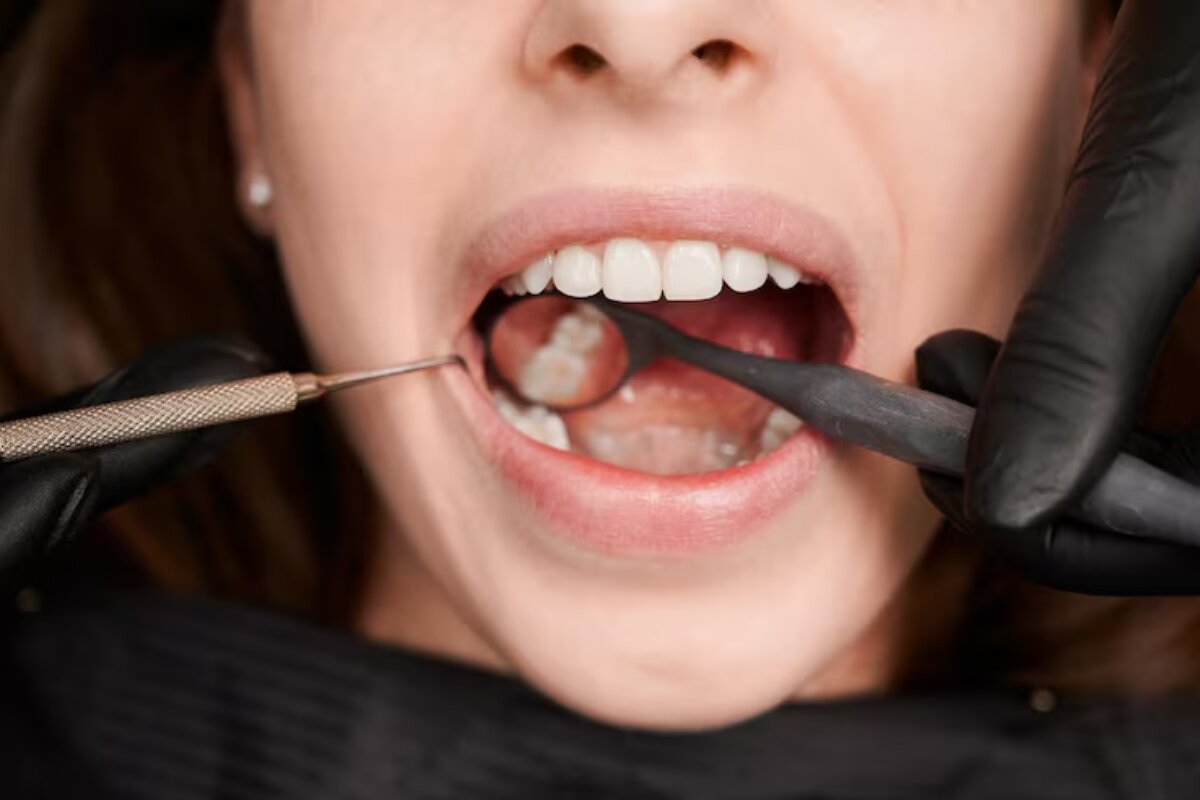
Your dentist will examine the tooth and take X-rays to confirm the damage and check the surrounding bone. If a root canal is needed, it will be done before the crown process begins.
Step 2—Numbing the Area
A local anesthetic numbs the tooth and surrounding gum. Most patients feel only mild pressure after this.
Step 3—Reshaping the Tooth
The tooth is carefully reshaped so the crown fits over it properly. A small amount of enamel is removed from the top and sides. This step is precise and quick.
Step 4—Taking an Impression
The physical mould or the digital scan taken by your dentist is used to create an accurate representation of your prepared tooth shape, which is sent to the laboratory where the crown will be produced to fit accurately with the rest of your bite.
Step 5—Placing a Temporary Crown
A temporary crown is placed over the tooth while your permanent one is made at the lab—usually within one to two weeks. Avoid very sticky or hard foods during this time to keep it in place.
Between Appointments: What the Lab Does
Your impression goes to a dental lab where technicians craft the permanent crown in porcelain, ceramic, metal, or a combination—matched to your natural teeth.
At a trusted dental clinic in Bridgeland, your dentist works with the lab to ensure the crown meets the right specifications for both function and appearance.
Second Appointment: Placing the Permanent Crown
The second visit is shorter and completes the dental crown treatment process step by step.
Step 6 — Placing and Cementing the Crown
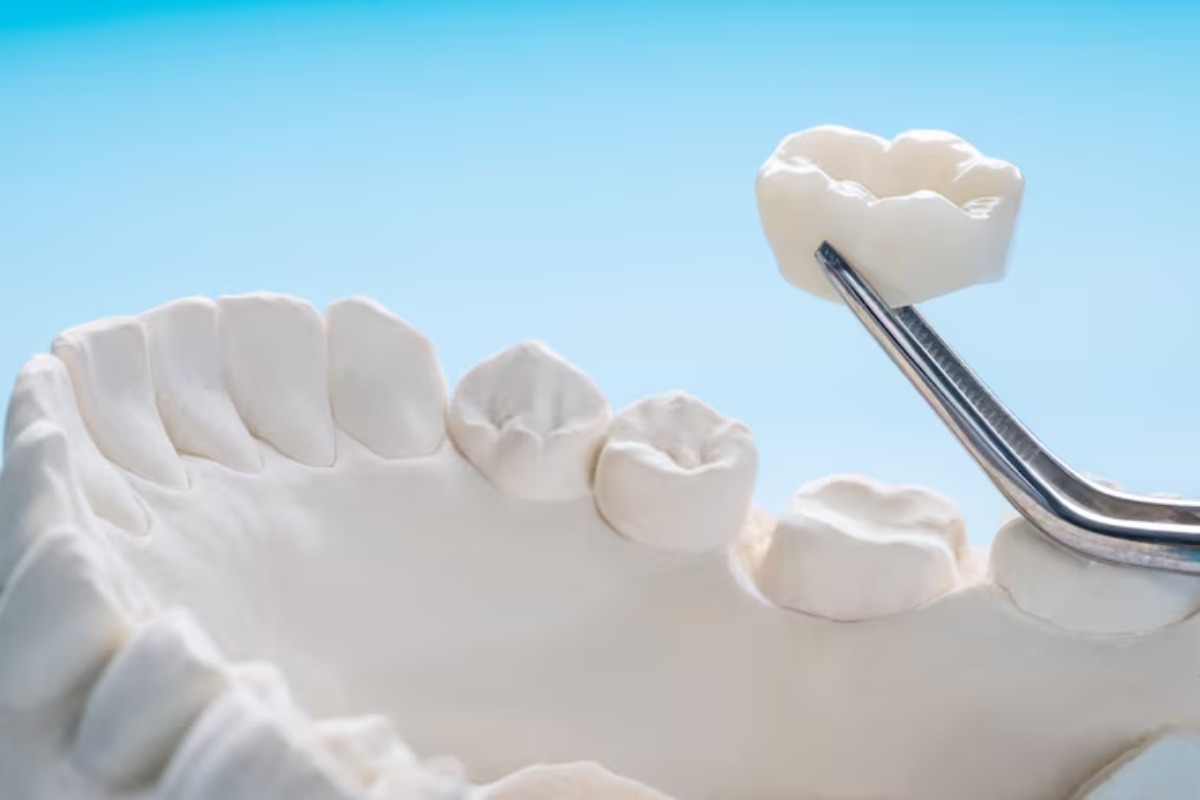
The temporary crown is removed, and the tooth is cleaned. The permanent crown is placed to check the fit, colour, and bite—small adjustments can be made before cementing. Once everything looks right, it is bonded in place using dental cement. Excess is cleaned away, and your bite is checked one final time. Your tooth is now fully protected.
What to Expect After the Procedure
Sensitivity to hot and cold should be temporary during the first few days and should resolve itself naturally. Try to eat soft foods for the first week, and do not eat chewy or hard foods for the first 7 days. If your bite feels ‘uneven,’ then you should contact your dentist.
With proper care, a crown can last 10 to 15 years or longer.
How to Care for Your Crown Long-Term
Good daily oral hygiene is all a crown needs to last:
- Brush twice a day, including around the crown
- Floss daily near the gumline
- Visit your dental clinic near you for regular cleanings
- Wear a nightguard if you grind your teeth
Your dentist checks the crown at every routine visit. If it chips or feels loose, it can usually be repaired simply.
Your Crown Journey Made Simple—Visit Alpine Dental
A dental crown is one of the most effective ways to protect and restore a damaged tooth. The process is simple, the recovery is easy, and the results are lasting.
Alpine Dental wants to help make each step of your treatment an ease for you. Whether you are contemplating your decision or ready to book, call us today and be on your way to a stronger, healthier smile.
Frequently Asked Questions
Will the procedure of crowning my tooth be painful?
This is carried out using a local anesthetic; therefore, there is a sensation of pressure but not any pain, and you will probably only feel slightly sensitive in the mouth for a couple of days.
How long does a dental crown last?
The average life of a crown is about 10 to 15 years, depending on the material and how you care for it.
Can I eat with a temporary crown?
Yes, but it would be sensible to avoid eating anything hard, sticky, or chewy, which might damage it before the permanent one is ready to be fitted.
What should I do if my crown falls out?
Contact your dentist immediately. If possible, rinse the crown and save it, avoiding chewing on the tooth until it can be refitted.