You sleep through the night, so you’d think you’d notice if your breathing stopped. But for people with sleep apnea, it can happen again and again without them ever waking up fully. Many people wonder how many breathing pauses are normal during sleep and how many times a person with sleep apnea stops breathing at night. This article breaks down the numbers in plain language. It’s general education, not a diagnosis. If you’re exploring sleep apnea in Bridgeland, knowing the basics can make a conversation with your doctor or dentist a lot easier.
How Many Breathing Pauses Are Normal During Sleep?
Doctors count breathing events per hour of sleep using a measure called the apnea-hypopnea index (AHI). An apnea event generally involves a pause in breathing lasting at least 10 seconds. Hypopnea events involve a significant reduction in airflow.
For adults, a common guide looks like this:
- Fewer than 5 events per hour: typically considered normal.
- 5 to 14 events per hour: mild sleep apnea.
- 15 to 29 events per hour: moderate sleep apnea.
- 30 or more events per hour: severe sleep apnea.
So how often does someone actually stop breathing? In severe cases, 30 events per hour can add up to 200 or more over the course of a night. Only a sleep study can determine the actual number and severity of these events.
What Happens When Sleep Apnea Causes Breathing to Stop at Night?
In obstructive sleep apnea, the throat muscles relax, narrowing or closing the airway. Airflow drops or stops, and oxygen levels can fall.
Your brain then briefly arouses you to help reopen the airway, often with a snort or gasp. You probably won’t remember these brief awakenings, but they can fragment your sleep. Over time, untreated sleep apnea is associated with daytime sleepiness, difficulty concentrating, and health concerns such as high blood pressure.
Signs to Watch For
Some common signs include:
- Loud, frequent snoring.
- Gasping or choking during sleep.
- Waking up with a dry mouth or headache.
- Feeling tired all day despite spending a full night in bed.
- A partner noticing pauses in your breathing.
Questionnaires such as the Epworth Sleepiness Scale can help assess excessive daytime sleepiness, but they are not a substitute for diagnostic testing.
If several of these signs sound familiar, a dental clinic in Bridgeland can be a place to discuss your concerns. Dentists examine the mouth and jaw and may identify features that are relevant to sleep-related breathing problems. However, a dental examination cannot confirm sleep apnea.
How a Dentist May Help
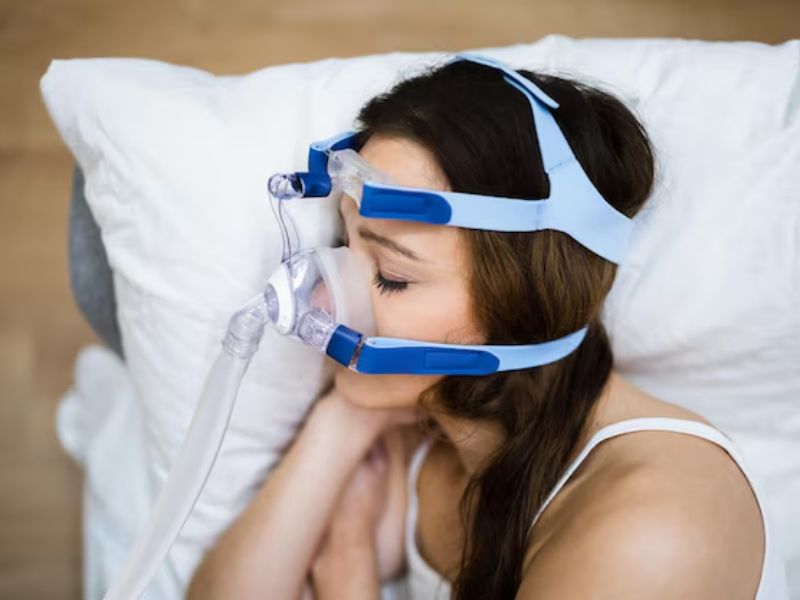
Sleep apnea is diagnosed by a physician, usually with a sleep study. If you have been diagnosed with obstructive sleep apnea, a dentist trained in sleep dentistry may help with treatment planning. Oral appliance therapy may be an option for some people, including those who cannot tolerate continuous positive airway pressure (CPAP) therapy or who prefer an alternative when clinically appropriate.
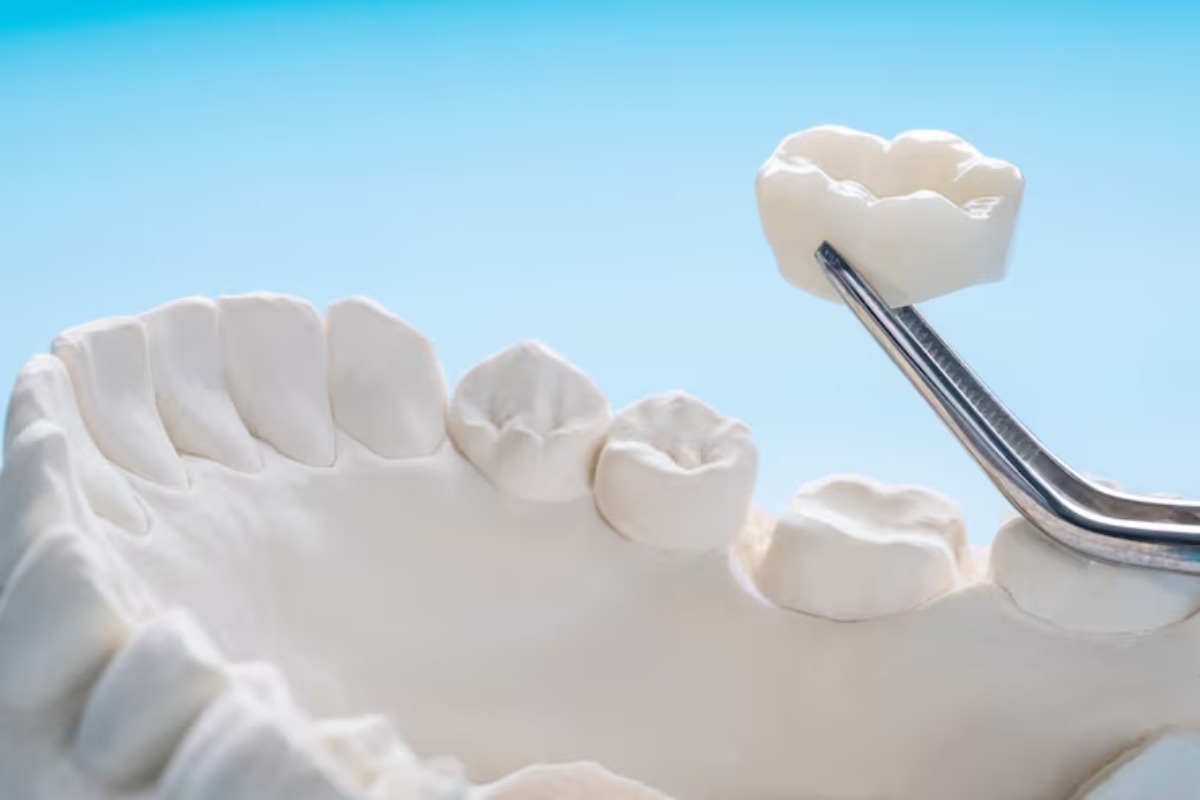
One option is a mandibular advancement device, which gently positions the lower jaw forward to help keep the airway open during sleep. These appliances require professional assessment, fitting, and follow-up. A physician and qualified dentist can work together to determine whether this treatment is suitable for you.
If you’re deciding where to begin, a dental clinic near you can be a convenient place to ask about sleep dentistry and how the dental team coordinates care with physicians.
Take the First Step Toward Better Sleep
If you or your partner has noticed loud snoring, breathing pauses during sleep, or frequent waking at night, it may be time to seek advice. These signs can be linked to sleep-related breathing problems, and a healthcare professional can help you understand what may be causing them. A sleep study may be recommended to assess your breathing while you sleep.
At Alpine Dental, you can learn about dental options that may help with certain sleep-related breathing concerns. Contact the team today to book a consultation and discuss the next steps for your needs.
Frequently Asked Questions
Is it normal to stop breathing a few times during sleep?
Fewer than five apnea or hypopnea events per hour is generally considered within the normal range for adults. Frequent or prolonged breathing pauses, loud snoring, or daytime tiredness are worth discussing with a doctor.
Can I tell how many times I stop breathing at night?
It is difficult to determine this yourself because most people do not fully wake up during breathing events. If your partner notices that you stop breathing during sleep, consider speaking with your doctor about whether a sleep study is appropriate.
Can a dentist diagnose sleep apnea?
No. A physician diagnoses sleep apnea, usually through a sleep study. A dentist can discuss relevant oral health factors and may provide a custom oral appliance when it is appropriate as part of a treatment plan coordinated with your physician.