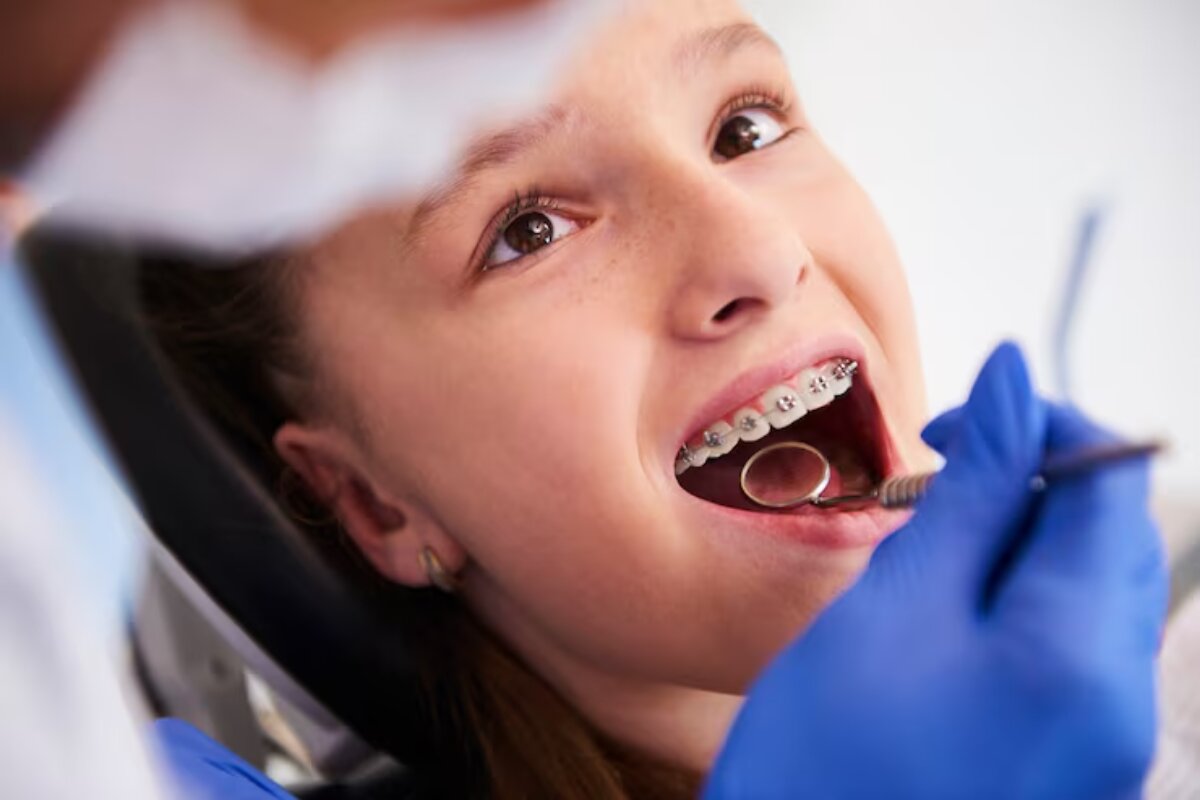
Discovering that your child needs a complex dental procedure can be an overwhelming experience for any parent. One of the most common concerns is the level of discomfort involved, especially when it involves nerve-related therapy.
When a child requires root canals in Bridgeland, the primary goal is always to eliminate pain and save the natural tooth structure rather than causing further distress.
Modern pediatric dentistry has evolved significantly, utilizing advanced techniques to ensure that children remain comfortable throughout the process.
By visiting a dentist, you can ensure your child receives specialized care tailored to their smaller smiles.
Why Is Nerve Therapy Necessary For Primary Teeth?
Parents wonder why a “baby” tooth needs intensive therapy if it is eventually going to fall out. However, primary teeth serve as vital placeholders for permanent teeth; if one is lost too early due to infection, it can lead to significant alignment issues.
If your child is experiencing persistent throbbing, sensitivity, or swelling, finding a dentist in Bridgeland is essential to prevent the spread of bacteria.
Unlike adult procedures, pediatric nerve treatments are specifically designed to be faster and less invasive, focusing on removing the infected portion of the nerve while preserving the tooth’s functionality until it naturally sheds.
Get an Effective Dental Care Plan in Bridgeland, AB
How Do Specialists Ensure A Pain-Free Experience?
The most common myth about dental nerve work is that the procedure itself is the source of the pain. In reality, the procedure is the solution to the pain caused by the infection.
To ensure the child feels nothing, the clinical team will use a combination of topical numbing gels and local anesthesia to desensitize the area completely.
For children who are particularly anxious or have a strong gag reflex, nitrous oxide, commonly known as “laughing gas”, is often utilized.
This helps the child feel relaxed and calm, making the time pass quickly while they remain fully awake.
What Steps Are Taken During The Pediatric Procedure?
A dentist near you will begin the process with a thorough cleaning of the decayed area to reach the internal pulp. Once the area is numb, the clinician removes the diseased tissue from the upper chamber of the tooth. In pediatric cases, the roots are often left intact if they are healthy.
The space is then disinfected and filled with a medicated material that is safe for the developing jaw.
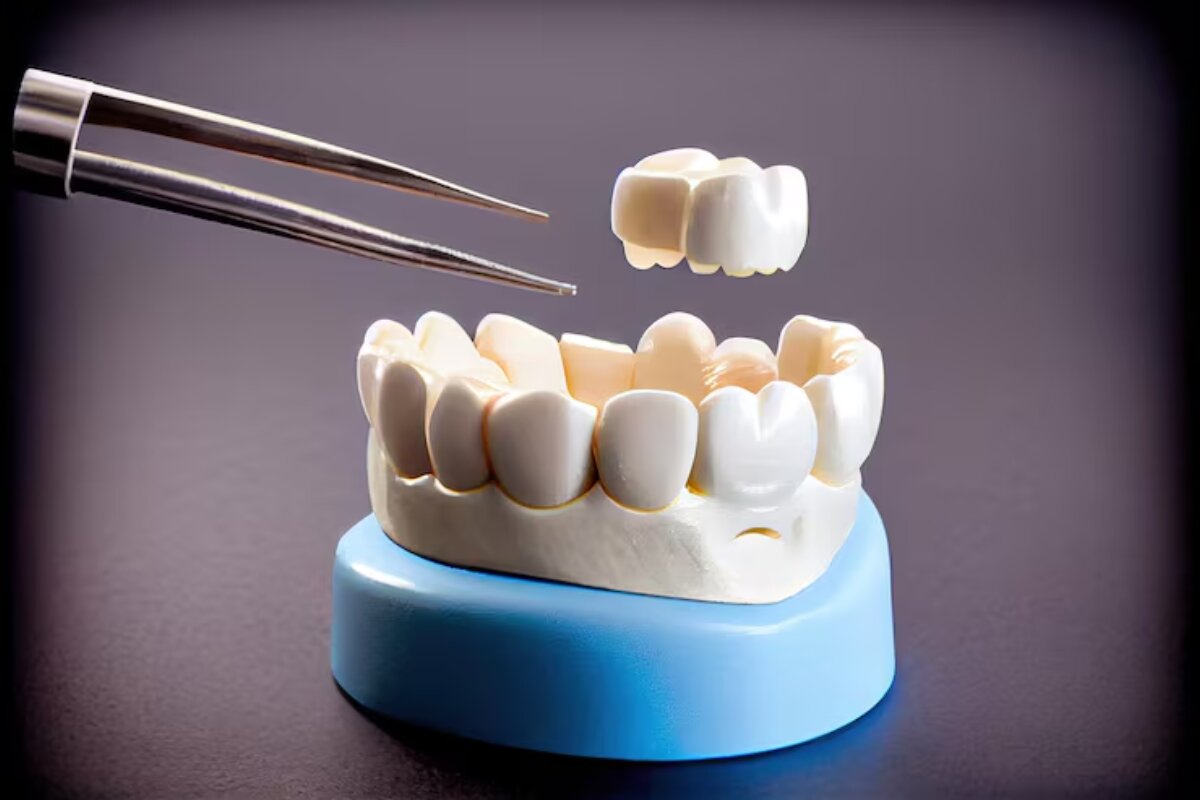
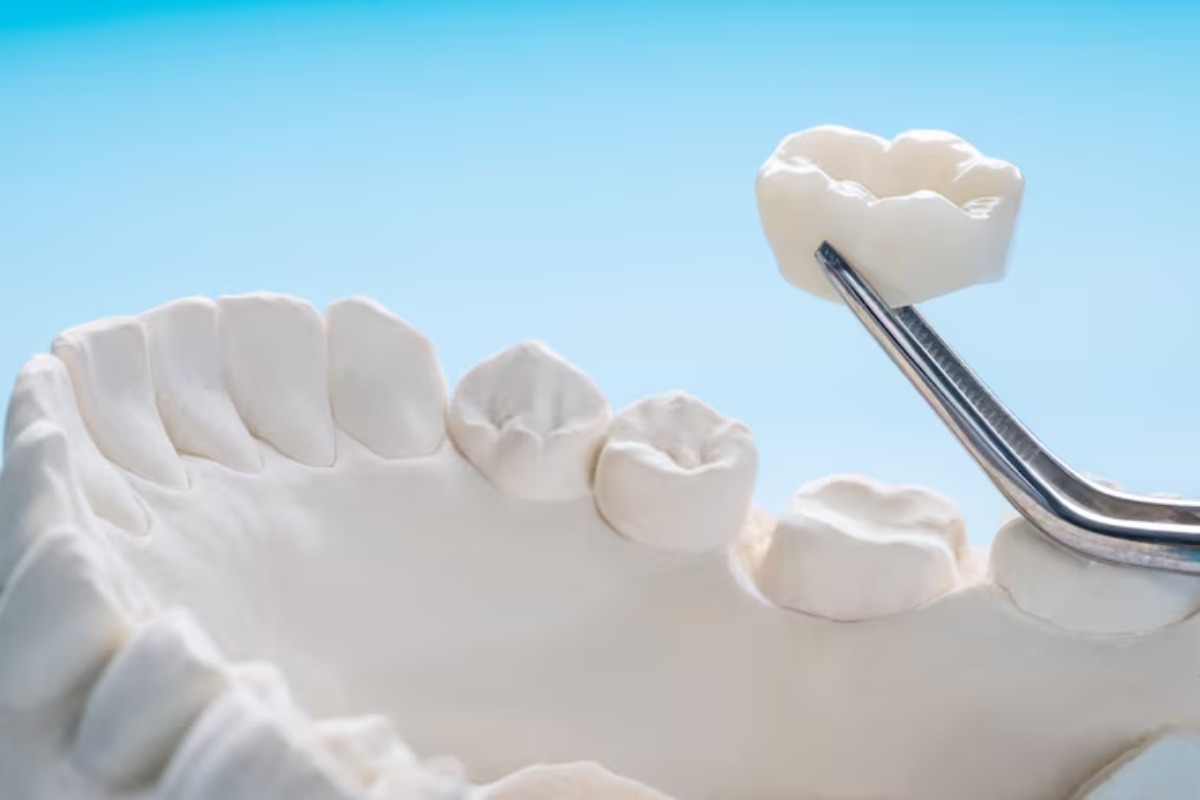
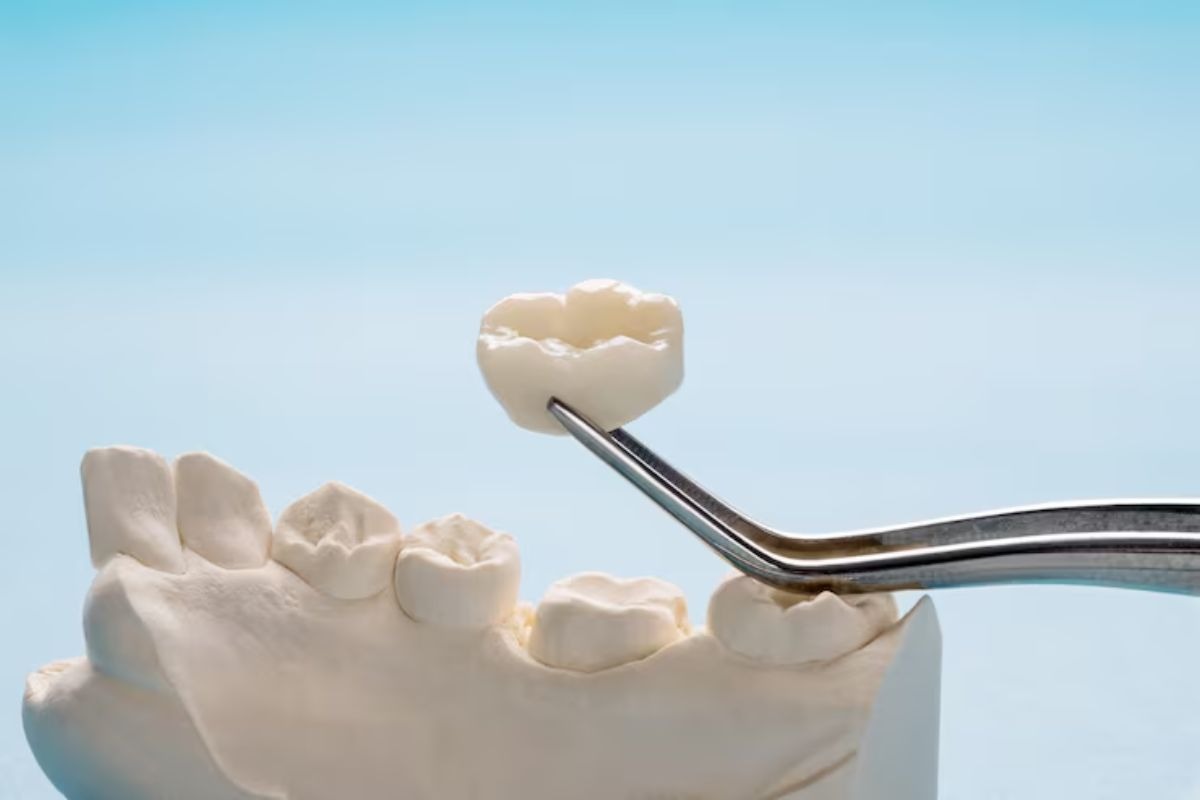
Because children’s teeth are thinner than adult teeth, they are almost always fitted with a stainless steel or tooth-colored crown immediately after the therapy. This protects the tooth from fracturing and allows the child to chew normally.
What Does The Recovery Process Look Like For A Child?
One of the most surprising aspects of pediatric nerve therapy is how quickly children bounce back. Once the numbness wears off, the intense, throbbing pain they were feeling before the appointment is typically gone.
There may be some minor tenderness in the gums surrounding the tooth for a day or two, but this is usually managed easily with standard over-the-counter children’s pain relievers.
Parents are encouraged to stick to a soft-food diet for the first twenty-four hours to avoid any accidental biting of the tongue or cheek while the sensation returns.
How Can Parents Help Prepare Their Child For The Visit?
The language parents use when describing a dental visit can significantly impact a child’s perception. It is best to avoid using words like “shot,” “drill,” or “hurt.” Instead, focus on the idea that the professional is going to “clean out the sugar bugs” or “help the tooth feel better.”
Pediatric-friendly offices are designed to be welcoming environments with distracting toys or ceiling-mounted televisions.
By staying calm and positive, you reinforce the idea that the dental office is a safe place, which reduces the child’s stress response and makes the treatment more effective.
Comparison of Pediatric Nerve Treatments
| Feature | Pulpotomy (Baby Root Canal) | Pulpectomy (Full Root Canal) |
| Infection Level | Limited to the crown pulp | Extends into the root canals |
| Tissue Removed | Only the top portion | Entire nerve and root tissue |
| Time Required | 30 to 45 minutes | 45 to 60 minutes |
| Final Restoration | Dental crown | Dental crown |
Restoring Your Child’s Comfort and Health
Addressing a dental infection promptly is the kindest thing you can do for a child in pain. Pediatric nerve therapy is a safe, routine way to eliminate infection while preserving a healthy smile.
With the right clinical approach and a supportive environment, the experience is often far less scary than parents anticipate. Watching your child return to their energetic self is the best indicator of success.
At Alpine Dental, we specialize in providing gentle care for our youngest patients. We understand the unique fears children face and work to create a positive, stress-free environment.
Our team is dedicated to ensuring every child leaves our office with a healthy smile. If you believe your child needs specialized care, contact us today to schedule a consultation.
Find our dental clinic quickly on Google Maps and get directions in just one click. 📍
FAQs
Will my child be put to sleep for the procedure?
Most pediatric treatments only require local numbing and laughing gas; however, for very young or highly anxious children, sedation options may be discussed.
Is it better to pull the tooth instead?
Saving the natural tooth is preferred because it maintains the space for permanent teeth and prevents future orthodontic complications that can be difficult to fix.
How can I tell if my child needs this treatment?
Watch for signs like a tooth that hurts at night, extreme sensitivity to temperature that lingers, or a small pimple-like bump on the gums.
Are the materials used in the tooth safe?
Yes, the filling materials are biocompatible and designed to be absorbed by the body as the permanent tooth naturally pushes through.