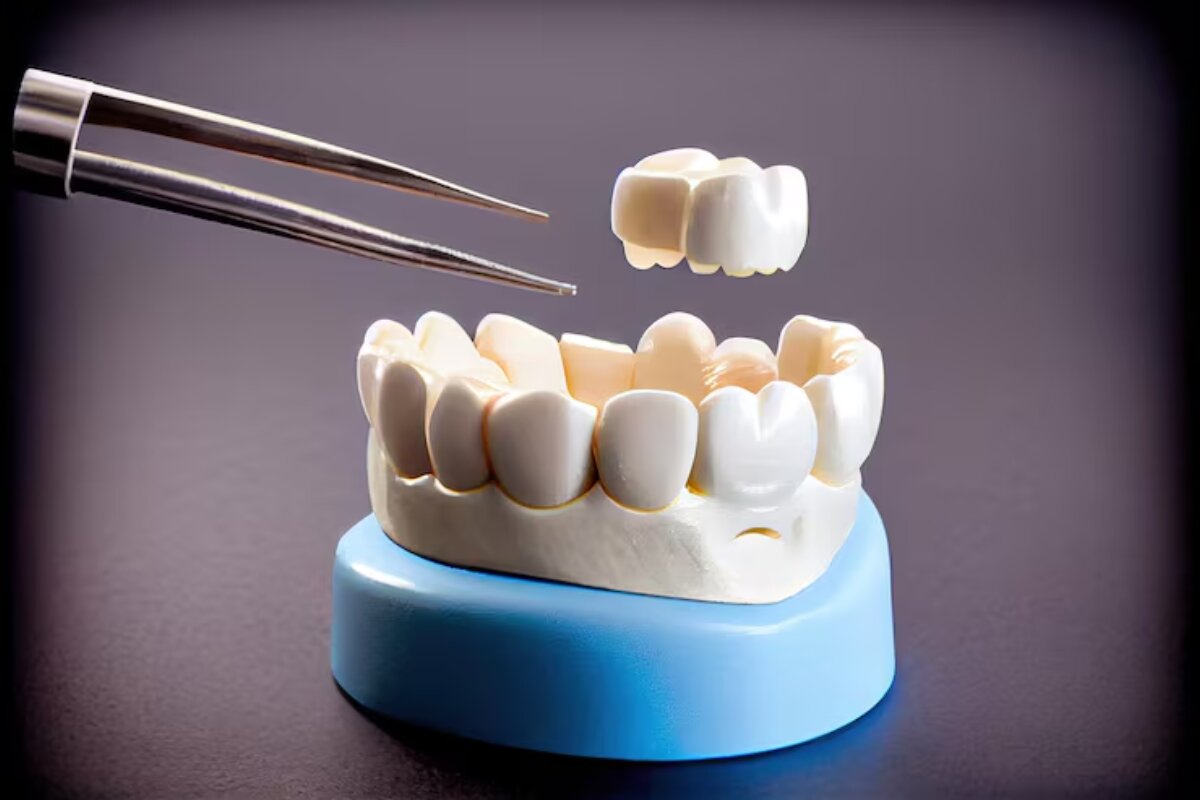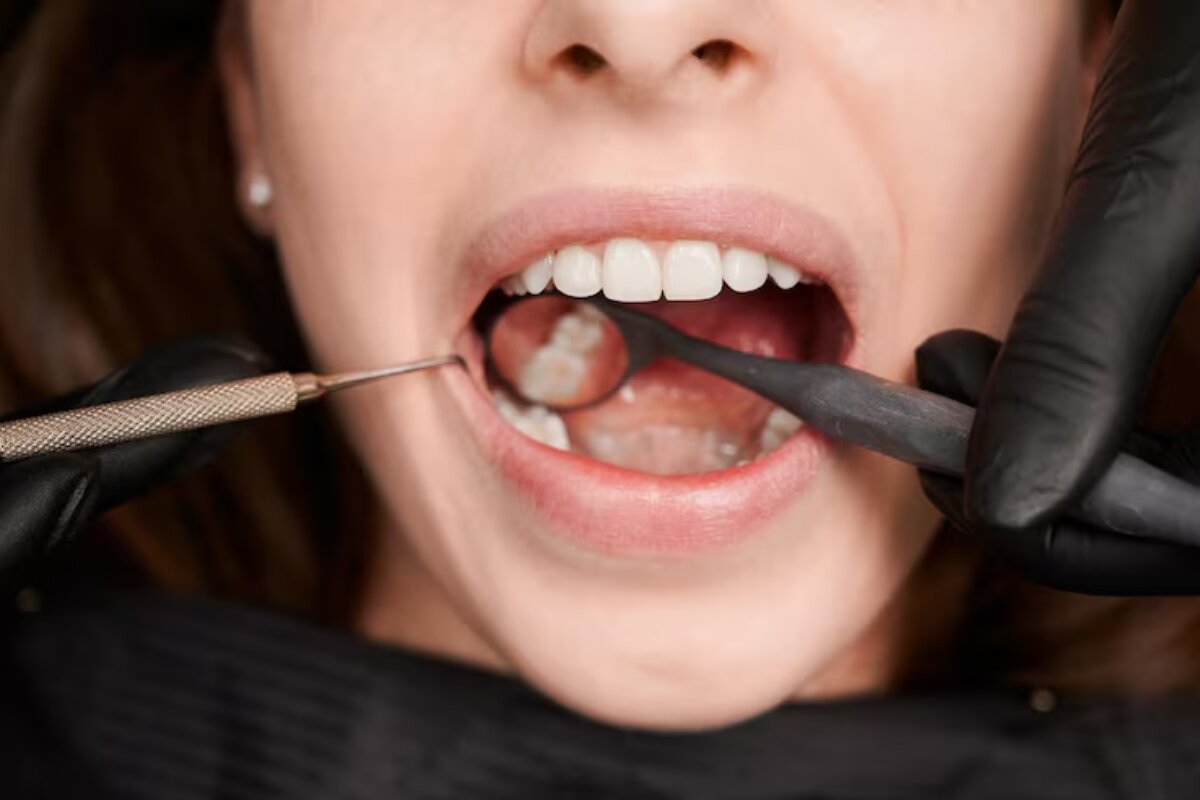
Worried about missing teeth and how they affect your daily life? Missing teeth can change your smile and make eating or speaking harder. For seniors, replacing lost teeth is important for good oral health and overall well-being. If you are looking for dental implants near you, knowing the safety, benefits, and possible risks for older adults can help you make the best choice.
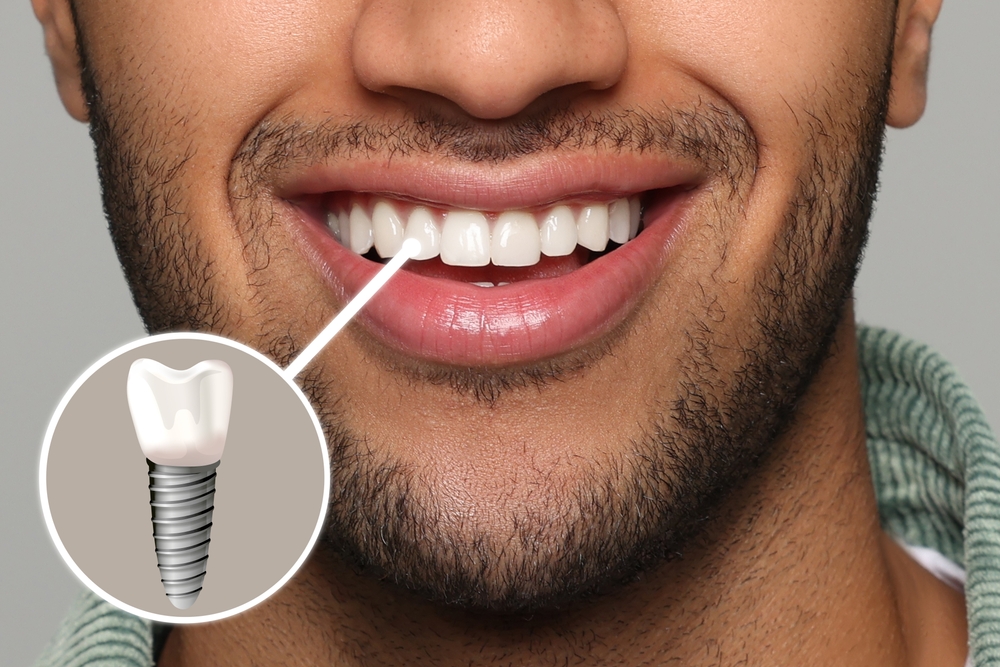
Dental implants have become a reliable and popular solution for replacing missing teeth. Unlike dentures, implants provide stability and look natural, allowing seniors to enjoy their favorite foods and speak clearly without worry.
Are Dental Implants Safe for Seniors?
Yes, dental implants are generally safe for seniors, even those in their 70s or 80s. Age alone is not a barrier to treatment. What matters most is overall health, jawbone quality, and oral hygiene. Seniors with controlled chronic conditions like diabetes or high blood pressure can often undergo implant surgery successfully.
Visiting a dental clinic in Bridgeland ensures a thorough evaluation before treatment. A professional dentist will review medical history, take X-rays, and create a personalized plan that considers both oral and general health.
Benefits of Dental Implants for Seniors
Dental implants give many benefits beyond just making your smile look better.
- Better chewing and digestion: Implants work like real teeth, letting seniors eat a wide range of foods easily.
- Keeps jawbone healthy: Implants help the jawbone stay strong and prevent bone loss.
- Boosts confidence: Natural-looking implants stay in place, so you feel better about your smile.
- Lasts a long time: With proper care, implants can last many years, saving money in the long run.
- Protects other teeth: Implants don’t need nearby teeth to be shaved down, keeping your natural teeth safe.
Potential Risks and Considerations
Dental implants are safe for seniors, but there are some risks to consider.
- Surgical Complications: Infection, bleeding, or delayed healing can happen, but it is rare if everything is done correctly.
- Bone Quality Issues: Seniors with significant bone loss may require bone grafts before implants can be placed.
- Health problems: Some serious health issues, like heart disease or uncontrolled diabetes, may make implants unsafe.
- Medications: Certain medicines, like blood thinners or osteoporosis drugs, can slow healing and affect implant success.
- Cost and care: Implants cost more than dentures, and keeping good oral hygiene is important for them to last.
Who Is a Good Candidate for Dental Implants?
If seniors have it, they can be good.
- Gum tissue and jawbone must be adequate.
- Oral care is important.
- Consistent enduring health problems.
- Get a regular dental check-up.
Even older people who experience curative bone loss or have an illness may qualify for other treatments or careful planning. When you visit a dental clinic near you, the risks are evaluated and minimized.
Steps to Ensure Successful Dental Implants
- Full check-up: X-rays, scans, and a review of your health history.
- Custom plan: A special plan made just for your implants and tooth replacement.
- Careful surgery: Implants are placed using numbing medicine or sedation to keep you comfortable.
- Healing and bonding: The implant bonds to the jawbone over a few months, and the healing takes place.
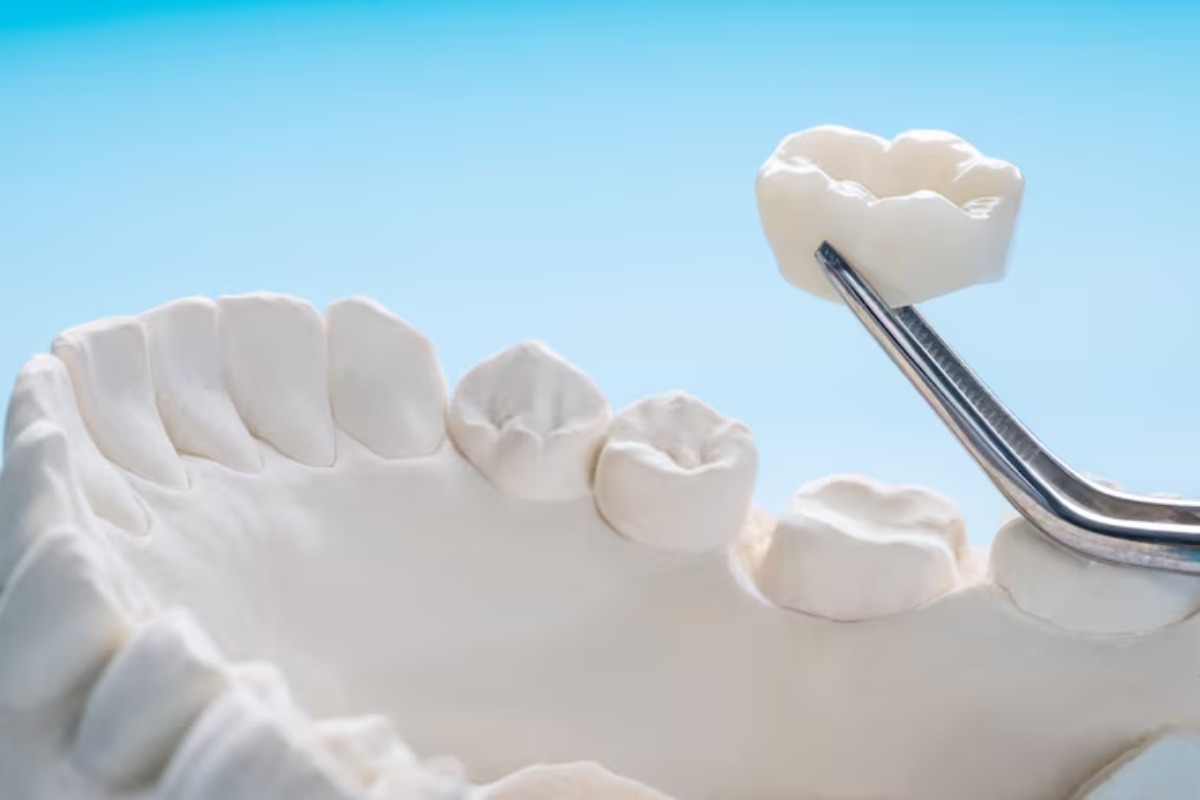
- Restoration and Maintenance: Placement of crowns, bridges, or dentures, followed by ongoing care.
Following these steps improves success rates and minimizes complications, even for seniors.
Rediscover Comfort and Confidence with a Complete Smile!
Dental implants can help seniors regain their function, chewing and oral health over time. Older adults can have long-lasting benefits with low risk from expert assessment, thoughtful planning, and careful implementation by professionals.
Schedule a consultation with Alpine Dental today to explore personalized treatment options and take the next step toward a healthier, confident and fully restored smile.
FAQs
How long do dental implants last for seniors?
With good dental care and regular check-ups, implants for seniors can last 20 years or more. In many cases, they can last a lifetime and work reliably.
Can seniors with dentures switch to implants?
Yes. Many seniors who find traditional dentures uncomfortable or unstable choose dental implants to restore comfort, improve chewing efficiency, and regain a natural-looking, secure smile.
Are implants painful for seniors?
The implant procedure causes little or no discomfort to most seniors. We can numb the area with local anesthesia and numbing gel. Additionally, we offer sedation options. Most patients experience only mild soreness.
Will I need bone grafting for dental implants?
Older adults with low jawbone density may need a bone grafting. The procedure establishes a solid foundation of jawbone mass for stabilization and integration.