Experiencing jaw pain, headaches, or difficulty chewing can be more than just a nuisance; it may signal temporomandibular joint (TMJ) disorder.
Before jumping to surgery, many patients benefit from conservative TMJ treatments.
Understanding everything about TMJ Therapy in Calgary will help you save time, money, and discomfort while improving your quality of life.
What Is TMJ and How Does It Affect You?
The temporomandibular joint connects your jaw with the skull. When the joint is either misaligned or stressed, it can cause several problems, such as:
- Jaw pain or tenderness
- Clicking, popping or locking of the jaw
- Facial pain or a headache
- Difficulty in opening or closing the mouth
An early intervention will help prevent any symptoms from getting worse and will reduce the need for an invasive process if you are looking for TMJ therapy in Bridgeland.
Get an Effective Dental Care Plan in Bridgeland, AB
Non-Surgical TMJ Treatment Options
Conservative treatments focus on relieving symptoms and improving jaw function without surgery. Common approaches include:
Lifestyle and Habit Adjustments
- You should avoid chewing gum or hard foods
- Practice jaw relaxation exercises
- Reduce teeth grinding with stress management
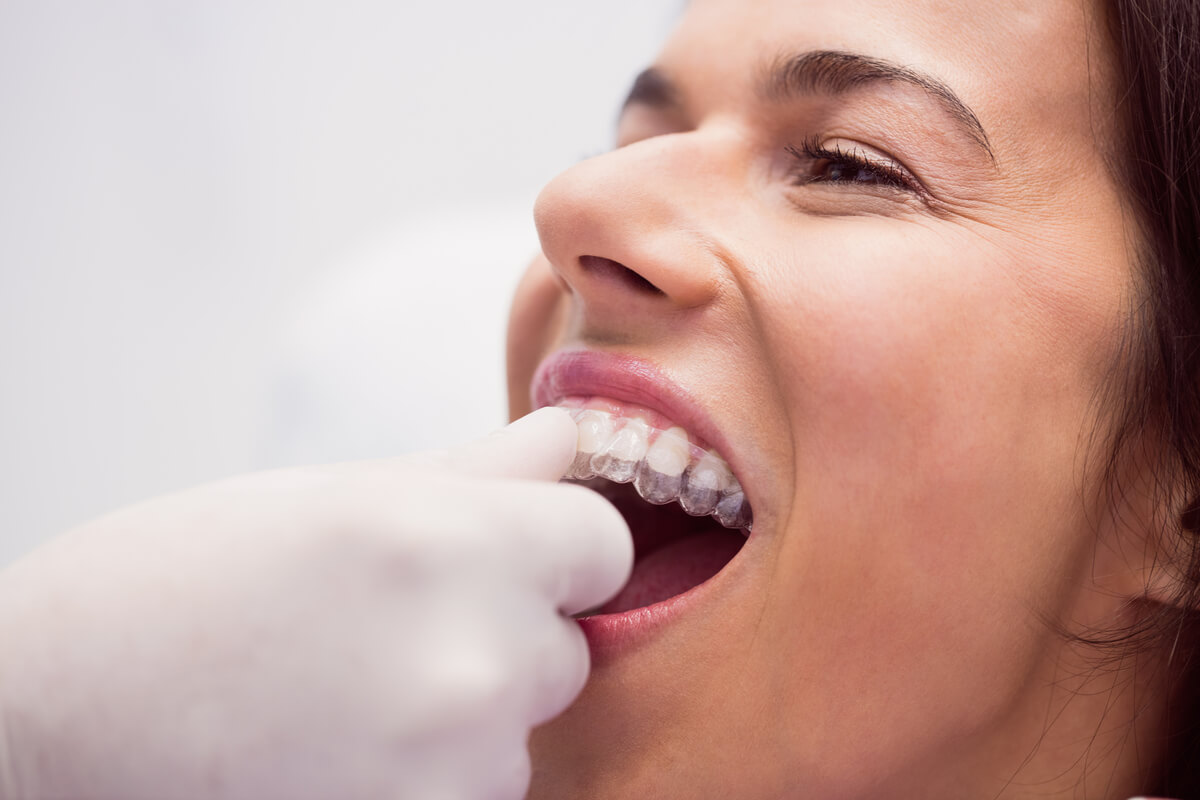
Splints and Mouthguards
Custom oral devices help reduce strain on the TMJ by:
- Keeping teeth aligned
- Protecting against night time grinding
- Reducing jaw clenching
Physical Therapy
A physical therapist will help improve jaw mobility and minimise pain using:
- Targeted exercises for jaw muscles
- Posture correction
- Heat or cold therapy
Medications
Pain relief can be managed with:
- Over-the-counter painkillers
- Anti-inflammatory medications
- Muscle relaxants in severe cases
TMJ Injections
In select cases, corticosteroid or Botox injections may reduce inflammation and muscle tension around the joint.
How to Know Which TMJ Treatment Is Right for You
Choosing the right treatment depends on:
- Severity and frequency of pain
- Lifestyle and habits
- Response to prior treatments
- Recommendations from your dental professional
| Treatment Type | Purpose | Benefits |
| Lifestyle Adjustments | Reduce jaw strain | Non-invasive, low cost |
| Splints/Mouthguards | Protect teeth, reduce clenching | Prevents worsening, improves alignment |
| Physical Therapy | Strengthen jaw, improve mobility | Reduces pain, restores function |
| Medications | Pain and inflammation control | Quick symptom relief |
| Injections | Reduce inflammation/muscle tension | Targeted relief for severe symptoms |
Working With a TMJ Specialist
A dentist in Bridgeland will check for symptoms and suggest the best conservative therapy.
In Calgary, you can choose from various treatment options, like TMJ Therapy Near You, to receive professional help and design treatment plans that suit your needs.
Regular follow-ups ensure your jaw health is monitored, and adjustments to therapy can be made before considering surgery.
When Surgery Might Be Considered
When nothing works well, surgery is your last resort. It is chosen and considered when:
- Conservative treatments fail to relieve severe pain
- There is structural damage to the jaw joint
- Daily activities are significantly impaired
Even in these cases, a TMJ specialist carefully evaluates the risks and benefits to ensure optimal outcomes.
Take a Stepwise Approach
Starting with conservative treatments often prevents unnecessary surgery and restores jaw comfort.
If you’re experiencing TMJ symptoms, seeking guidance from a TMJ dentist in Calgary or a nearby specialist can make all the difference.
Our team at Alpine Dental helps patients explore non-invasive options, empowering you to regain jaw function and reduce pain naturally.
Reach out to our team and receive care that is just for you.
FAQs
What are the most common symptoms of TMJ disorders?
TMJ disorders often cause jaw pain, clicking or popping sounds, headaches, and difficulty opening or closing your mouth. Early detection by a dentist near you can prevent worsening symptoms.
Can TMJ pain improve without surgery?
Yes, many patients find relief through conservative treatments like physical therapy, splints, lifestyle changes, and medications. Surgery is typically a last resort.
How long does it take to see improvement with conservative TMJ treatments?
Improvement varies depending on severity, but most patients notice reduced pain and better jaw function within a few weeks to a few months.