Your gums are as important as your teeth. If your gums are red, puffy, or bleed when you brush, you might need help. Periodontal treatment is care that fixes sick gums and the bone holding your teeth. Finding this problem early makes it much easier to fix.
Why Your Gums Matter
Your gums are the pink tissue in your mouth that surrounds and supports your teeth. They safeguard the roots beneath your teeth and the bone beneath. If your gums become ill, your teeth can decay. Your teeth might even fall out in extreme cases.
Many people have gum problems but do not know it. The disease starts slowly and quietly. The good news is that periodontal treatments near you can help stop the problem before it gets bad.
Signs You Need Periodontal Treatment
Your Gums Bleed When You Brush
Bleeding gums are one of the first warning signs. If your gums bleed when you brush or floss, something is wrong. Healthy gums should not bleed. Bleeding means bacteria are hiding under your gums and causing an infection.
Your Gums Look Red or Puffy
Healthy gums look light pink and feel firm. If your gums are dark red or look swollen and puffy, there is a problem. Puffy gums mean they are fighting an infection. This happens when plaque and tartar build up under your gum line.
Your Breath Smells Bad All the Time
Bad breath that does not go away even after brushing can mean you have sick gums. Bacteria growing in your gums make a bad smell. If this is happening to you, see a dentist soon.
Your Gums Have Pulled Away From Your Teeth
When gum disease gets worse, your gums start to shrink back. Your teeth might look longer than they used to. This happens because your gums are moving down and away from your teeth. This leaves spaces where more bacteria can hide.
Your Teeth Feel Loose or Moving
Loose teeth in adults are usually a sign that gum disease is serious. The bacteria have eaten away at the bone that holds your teeth. If your teeth feel wiggly or move around, you need to see a dentist right away.
Your Teeth Do Not Bite Together Right
Sometimes the way your teeth come together changes. They might not fit together like they used to. This can happen when gum disease damages the bone under your gums. The bone shifts, and your teeth move.
What Your Dentist Will Check
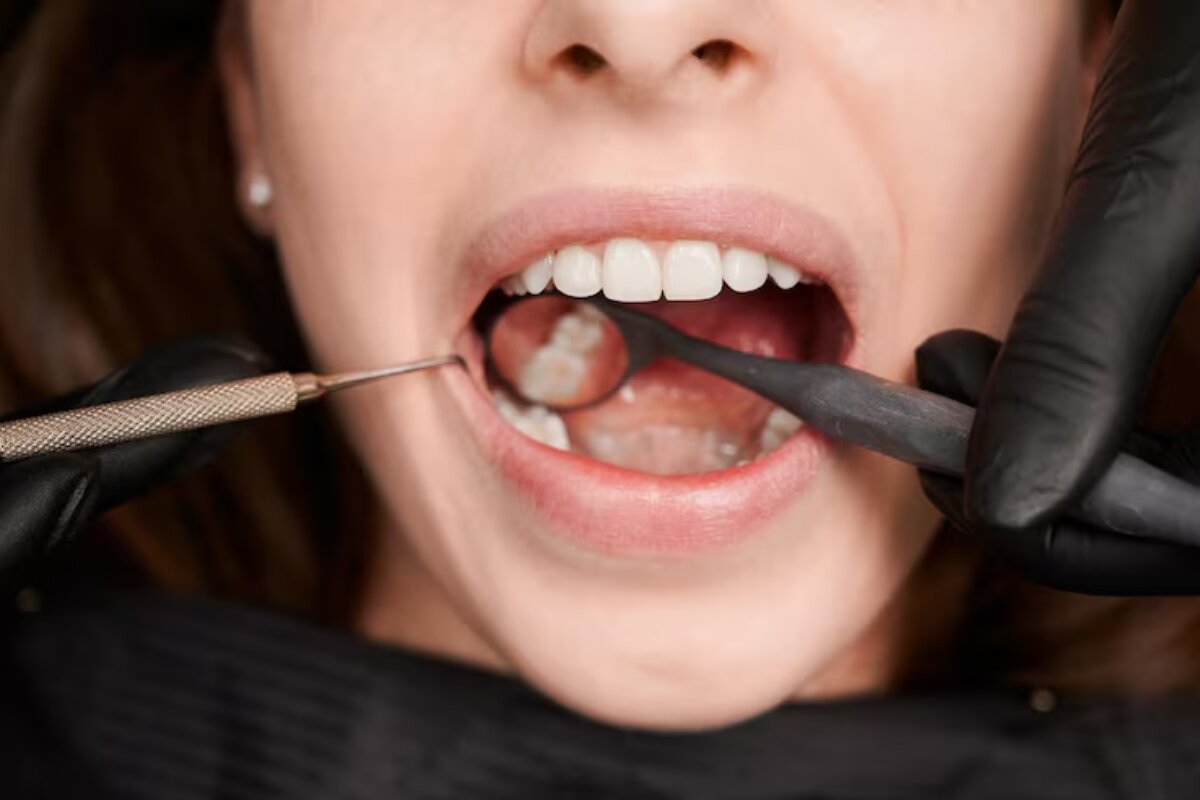
When you go to a dental clinic in Bridgeland, your dentist will look at your gums very carefully. They will use a tiny ruler to measure the space between your gums and teeth. They might take X-rays to see if the bone under your gums has been damaged. These tests help your dentist know what kind of treatment you need.
Early Problems Are Easier to Fix
The sooner you catch gum disease, the easier it is to fix. In the very beginning, you might just need a deep cleaning and better brushing habits at home. If you wait too long, you might need much more treatment.
Do not wait and hope it goes away. A dental clinic near you can help before things get worse.
Simple Steps to Keep Your Gums Healthy
| What to Do | Why It Helps |
|---|---|
| Brush twice a day | Removes food and plaque from your teeth |
| Floss every day | Gets out food stuck between teeth |
| Do not smoke | Smoking makes gum disease worse |
| Eat healthy food | Good food makes your gums stronger |
| Drink plenty of water | Water washes away bacteria |
| Visit your dentist twice a year | Your dentist can catch problems early |
Take Care of Your Gums Today at Alpine Dental
At Alpine Dental, we understand that healthy gums are the start of a healthy smile. Our team is here to help people who have gum problems. We use gentle and modern ways to fix your gums and keep your teeth strong. When you visit Alpine Dental, we explain everything in a way that makes sense. We believe in finding problems early so you can keep your own teeth for life. Our kind and caring dentists will work with you to make a plan that works for you and your family. Do not let gum disease take away your smile. Call us today and set up an appointment. It is time to take the first step toward healthier gums and a stronger, happier mouth.
FAQs
Do bleeding gums indicate you suffer from gum disease?
If your gums are bleeding, this isn’t considered a normal occurrence and usually means you need a dentist to check you.
Can I fix gum disease by brushing harder?
No, brushing too hard can hurt your gums; you need a dentist to fix the problem.
Will I lose my teeth if I have gum disease?
Not if you get help early; many people keep their teeth when they get treatment right away.
How many times should I go to the dentist if I have gum disease?
Your dentist will tell you, but most people need to come back every 3 or 4 months.