Temporomandibular joint disorder (TMD) affects the jaw and surrounding muscles, causing discomfort that can interfere with daily life. If you notice persistent jaw pain, consider TMD therapy in Bridgeland. Early care can prevent worsening symptoms and help restore normal jaw function.
What are the Most Common Symptoms of TMD?
TMD can show up in different ways. Knowing the common signs helps you recognize the problem early:
- TMD can present in a variety of forms. Learning what to expect helps to identify the issue sooner:
- Jaw pain or tenderness – Pain involving the jaw area, particularly while eating, speaking, and yawning.
- Clicking or popping sounds—These sounds are evident when opening or closing the mouth.
- Difficulty opening your mouth – Feeling stuck or limited in jaw movement.
- Facial pain – Pain spreading to the face, neck, or shoulders.
- Headaches—Tension headaches that start near the temples or around the ears.
- Ear discomfort – Ringing, fullness, or pressure in the ears without infection.
When Should You See a Dentist About TMD?
Recognizing the signs early can make treatment simpler and more effective. You should seek care from a dentist in Bridgeland if you notice:
- Persistent jaw pain lasting more than a few days.
- Difficulty chewing or opening your mouth.
- Frequent clicking or popping sounds.
- Regular headaches or ear pain are linked to jaw movement.
- Swelling or tenderness around the jaw joint.
Seeing a dentist promptly helps avoid worsening pain and may reduce the need for more invasive treatments later.
How Can TMD Affect Daily Life?
TMD can impact everyday activities, making simple tasks uncomfortable:
| Activity | How TMD Can Affect It |
| Chewing | Jaw pain may make it difficult to eat certain foods |
| Talking | Limited jaw movement can cause discomfort while speaking |
| Sleeping | Jaw tension can lead to difficulty falling asleep or staying asleep |
| Head Movement | Neck and shoulder pain may develop due to jaw strain |
Understanding these impacts can help you take action sooner rather than later.
What are the Common Causes of TMD?
TMD can result from a combination of factors. Some common causes include:
- Teeth grinding or clenching often occurs during sleep.
- Jaw injury or trauma.
- Arthritis affecting the jaw joint.
- Poor posture leading to jaw strain.
- Stress can increase muscle tension.
Identifying the cause helps your dentist recommend the most effective therapy.
How is TMD Treated?
To alleviate pain, increase jaw functioning and avoid future injury to the jaw, the most common methods of treating TMD (temporomandibular disorder) are:
- Care at home: Exercise routines for the mouth and jaw, hot or cold packs for pain control, and soft or mushy foods for eating.
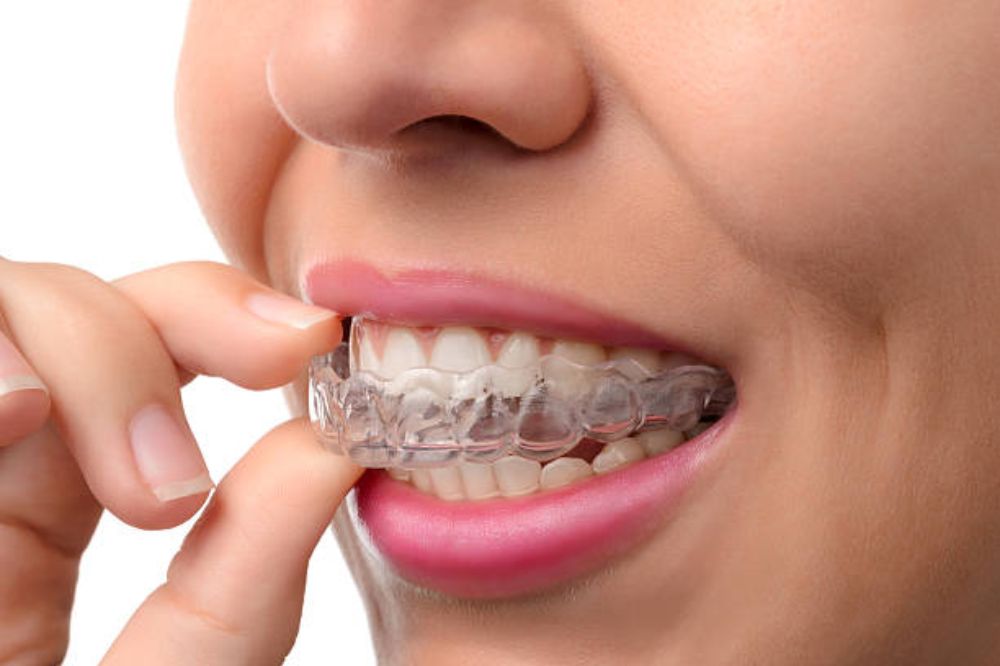
- Night guards: Custom-made appliances that the patient wears at night while sleeping. These appliances prevent grinding of the teeth.
- Physical therapy: Exercise and stretching to relieve jaw movements.
- Lifestyle Changes: Stress management and improvement in posture.
If home treatments prove ineffective, your dentist can offer more targeted treatments. TMD therapy near you can ensure that treatments meet your specific condition and fit your life.
When is It Urgent to Seek Treatment?
In more severe cases, signs of TMD should require prompt attention
- Your jaw suddenly locks, or you cannot open your mouth.
- Extreme ongoing discomfort that cannot be alleviated by medicine.
- Change in your bite or alignment of your teeth.
Finding and consulting with a dentist near you can prevent complications and help you feel better quickly.
Can Stress Make TMD Worse?
Stress can play a big role in TMD. Many people clench or grind their teeth when stressed, which puts extra pressure on the jaw joint. Signs that stress may be affecting your TMD include:
- Jaw tension worsens during stressful situations.
- Frequent headaches or neck pain related to stress.
- A partner or family member notices teeth grinding.
Simple stress-relief methods like meditation, deep breathing, or gentle jaw stretches can help reduce symptoms.
How Can Diet and Lifestyle Impact TMD?
Your everyday habits can affect jaw health and TMD symptoms.
- Avoid hard or chewy foods: Do not consume anything hard or chewy. These foods place a strain on the jaw muscles.
- Practice good posture: Work on your posture; align the head and neck to avoid jaw tension.
- Limit gum chewing: Cut down on gum chewing, as it intensifies the pain.
- Stay hydrated: Drink water, which keeps your joints healthy and reduces inflammation.
Making small changes to your routine and habits can have a huge positive impact on your jaw’s comfort and functioning.
Restore Comfort with Alpine Dental
If jaw pain, clicking, or headaches are affecting your daily life, Alpine Dental in Bridgeland can help you find relief. Our team provides personalized guidance and effective TMD therapy tailored to your needs.
Scheduling your first consultation at Alpine Dental is easy, with clear explanations of treatment options to help you make informed decisions. Focused on long-term jaw health and comfort, we make it simple to start your journey toward a pain-free smile—book your visit today!
Find our dental clinic quickly on Google Maps and get directions in just one click. 📍