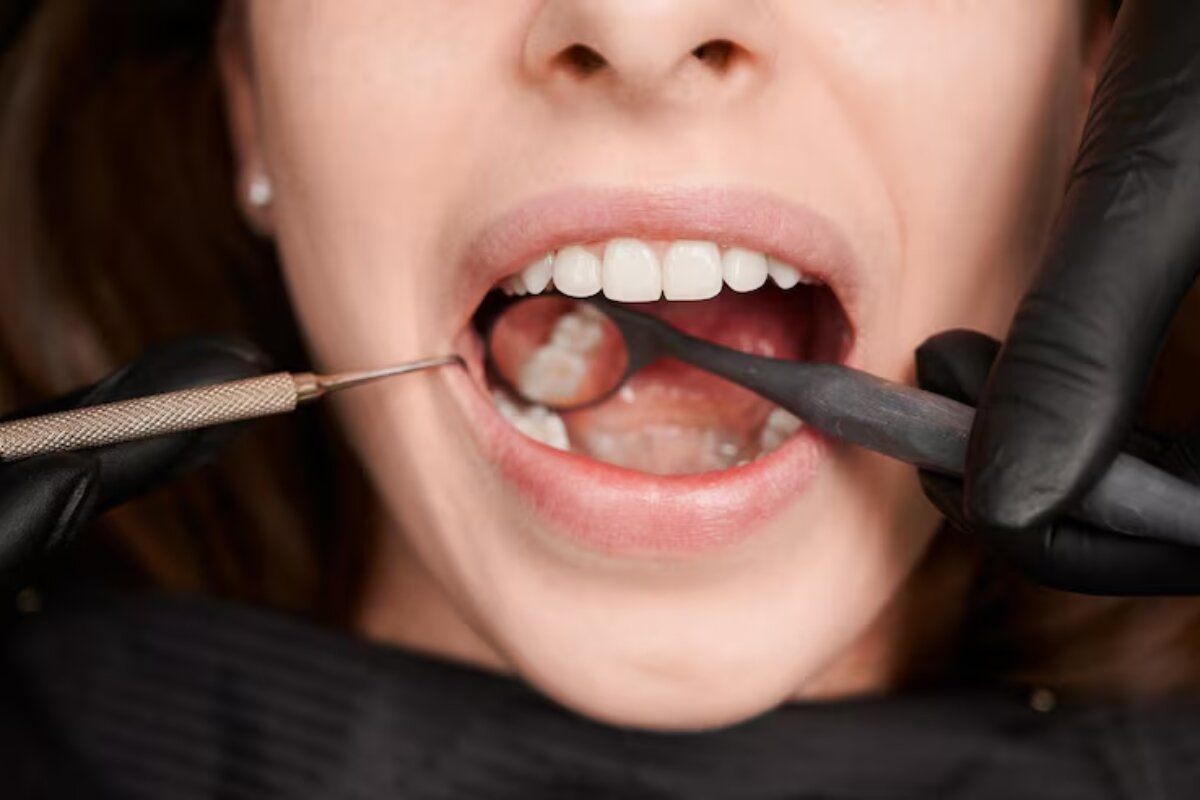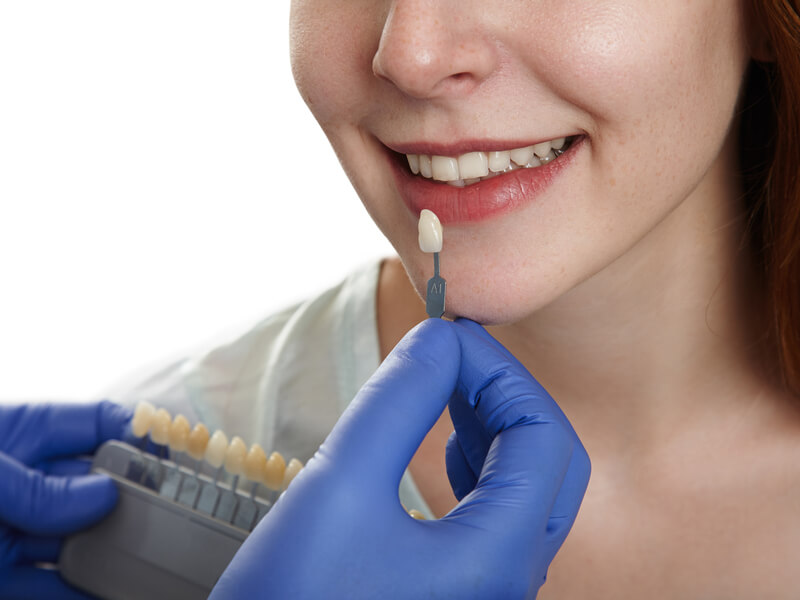
Porcelain veneers are irreversible because they involve removing a thin layer of your natural tooth enamel. By choosing dental veneers in Bridgeland, Calgary, you can understand how this structural alteration will affect your oral health. Even though porcelain veneers might need replacement over time, it is your natural teeth that undergo irreversible change at once. This procedure ensures a precise fit, natural appearance, and seamless alignment with your existing gum line.
Are Porcelain Veneers Really Permanent?
Porcelain veneers are considered a permanent cosmetic investment because enamel does not regrow once it is stripped away. Although each restoration may need to be replaced at some point, the preparation beneath the teeth must always be protected.
When a dentist prepares a tooth for a veneer, they carefully trim a fraction of a millimeter of outer enamel. This step is essential for several reasons:
- Proper Fit: Removing surface enamel prevents the restored tooth from looking bulky or feeling oversized.
- Seamless Contour: Trimming creates a smooth transition along the gumline to prevent bacteria build-up.
- Strong Bonding: Etched enamel provides a secure surface for the dental cement to adhere to durable porcelain.
Because the protective enamel layer is permanently altered, your teeth will always require veneers or crowns to stay protected.
What Happens to Your Teeth Underneath the Veneer?
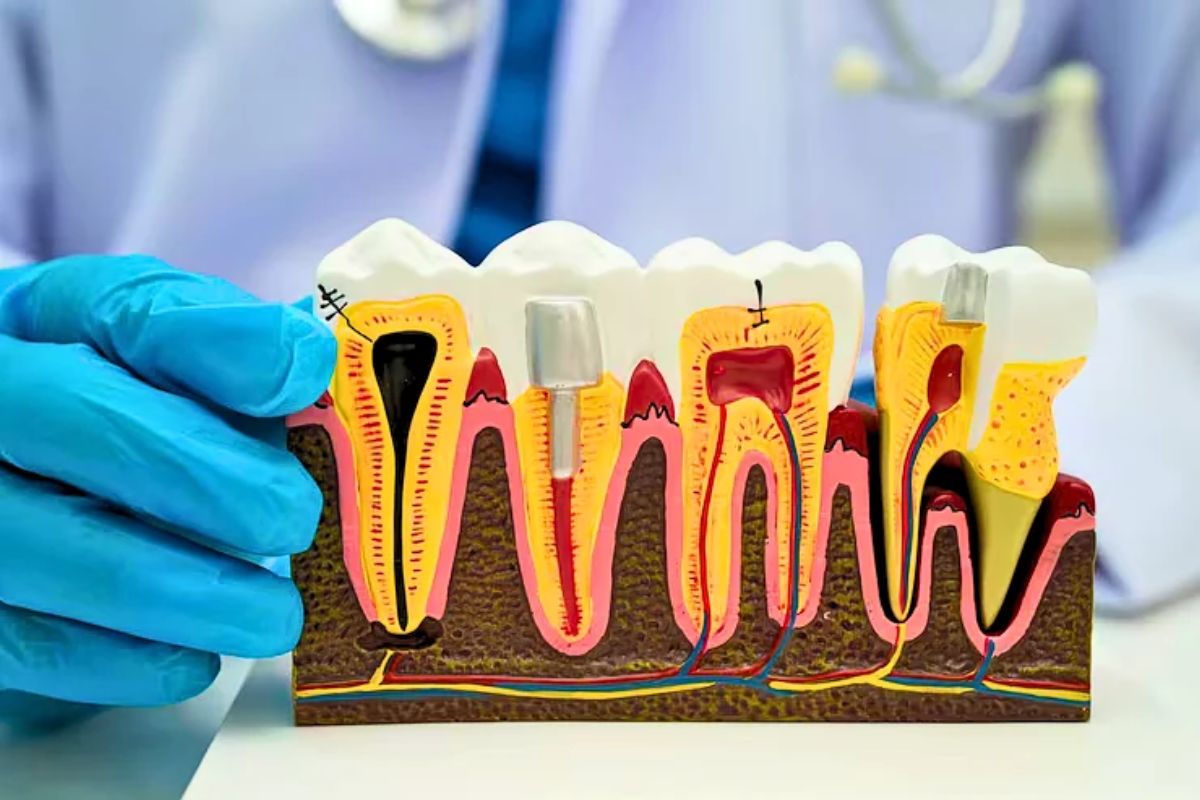
Underneath a veneer, your natural tooth remains healthy, intact, and fully functional, provided proper oral hygiene is maintained. The underlying structure consists of shaved enamel, dentin, and the vital inner pulp.
During preparation, a gentle enamel reduction process alters the shape of the tooth’s front surface. Here is what takes place beneath the surface:
- Enamel Reduction: A minimal layer, typically 0.3 to 0.7 millimeters, is carefully removed under local anesthesia.
- Tooth Structuring: The tooth surface is lightly textured to encourage a high-strength bond with dental adhesives.
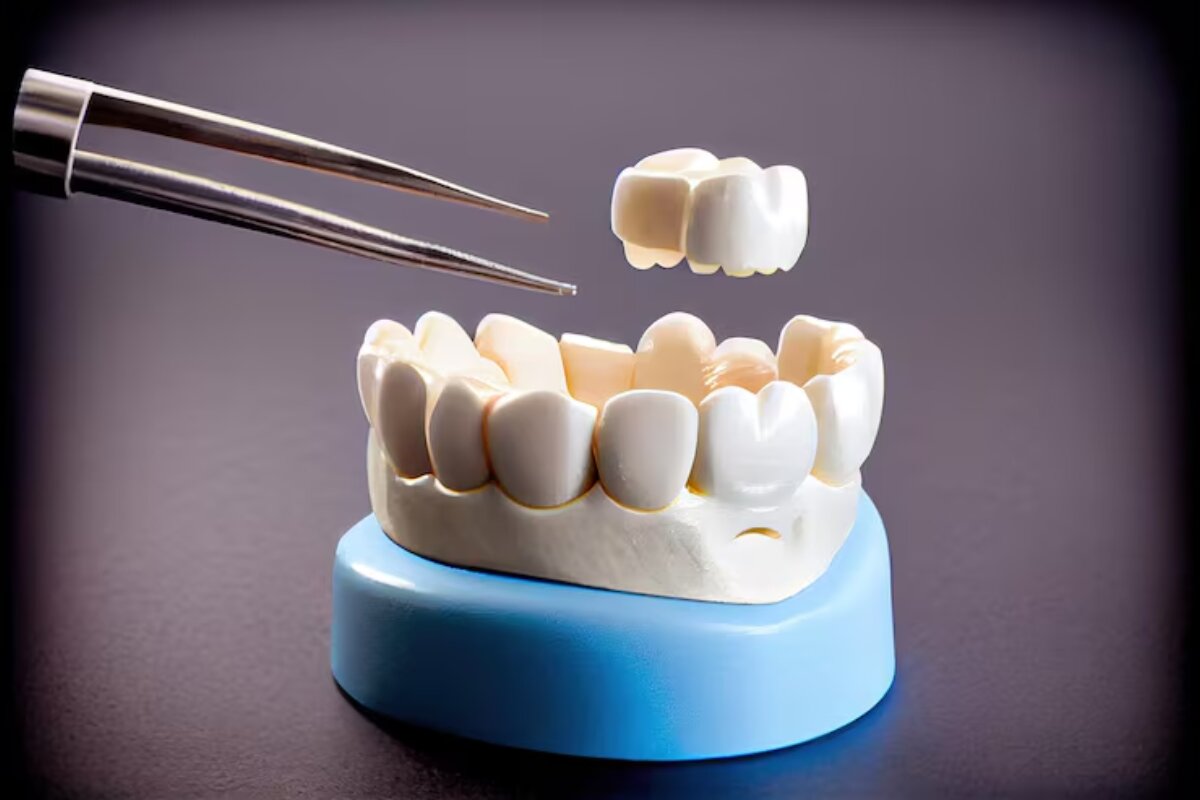
- Protection Phase: Temporary veneers are placed while a specialized laboratory fabricates your custom porcelain shells.
- Final Placement: The permanent porcelain covers the exposed area, sealing the natural structure against decay and temperature sensitivity.
A tooth underneath a properly fitted veneer remains safe from decay as long as the surrounding margins stay clean and sealed.
Key Considerations for Choosing Porcelain Restorations
Porcelain crowns bring their own unique benefits to the table. A discussion with your local dentist in Bridgeland, Calgary can help you establish whether your natural teeth are the right fit. Realistic expectations about the practical benefits of porcelain crowns are important in understanding your treatment results:
- Stain Resistance: High-grade porcelain resists discoloration from coffee, tea, and daily foods far better than natural enamel.
- Natural Aesthetics: Custom porcelain mimics the translucency and light-reflecting qualities of natural tooth enamel.
- Durable Support: High-quality dental ceramics provide strong resistance against normal chewing forces.
- Minimal Tissue Impact: Gentle preparation techniques preserve the maximum amount of healthy natural structure.
- Long-Term Stability: Well-maintained restorations provide predictable aesthetics for many years before requiring further care.
Ensuring Patient Safety and Clinical Precision
The success of the treatment using porcelain restorations depends largely on proper planning and diagnostic assessment. The safety of the patient as well as their long-term oral health, comes first in all stages of treatment.
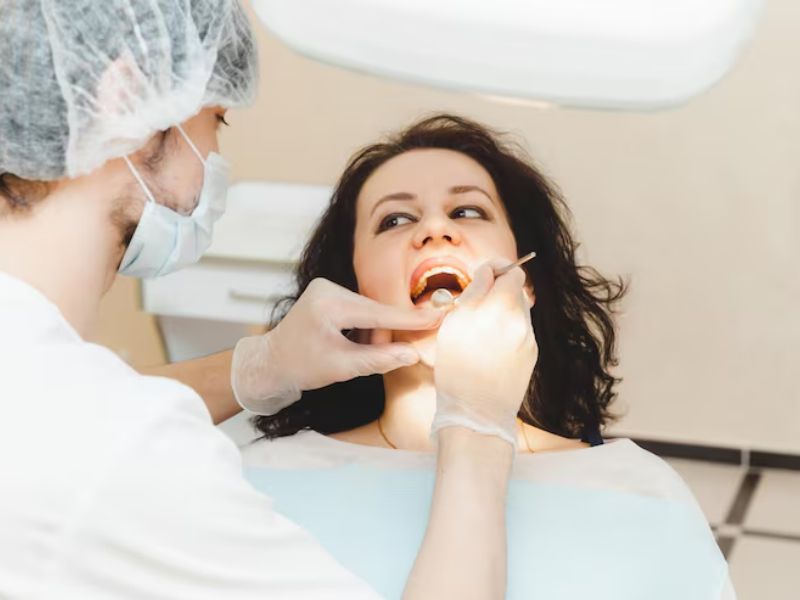
Clinical assessments, such as digital X-rays and structural assessments, are conducted by dentists prior to recommending enamel reduction. Restorations are placed only on the teeth with healthy pulp, foundation, and enamel. This way, sensitivity is avoided, and your natural teeth are kept healthy under the restorations.
Making an Informed Decision for Your Smile
Deciding to enhance your smile with porcelain veneers involves balancing aesthetic goals with long-term dental care. Knowing how enamel preparation affects your natural teeth helps you feel confident throughout your treatment journey. Proper planning and precise technique ensure your teeth remain healthy under their beautiful new restorations.
If you want to explore whether porcelain restorations align with your oral health needs, our team is here to help. Contact Alpine Dental today to schedule a comprehensive consultation and learn more about your personalized treatment options.
FAQs
Are veneers permanent?
Yes, porcelain veneers are considered permanent because some natural enamel is shaved off during the procedure. Since enamel cannot regrow, the prepared teeth will always require protection with veneers or crowns.
How long do veneers last?
Porcelain veneers usually last 10 to 15 years if properly cared for. The durability of veneers depends on regular oral hygiene practices, dental visits, avoiding harmful oral habits such as bruxism, and avoiding trauma to the restorations.
Do veneers damage your teeth?
No, if done by an experienced dentist, veneer preparation does not hurt your teeth. It involves shaving off some enamel, which changes the tooth’s natural structure but does not affect the tooth pulp.
Will my teeth feel sensitive under veneers?
Mild temporary sensitivity to hot or cold temperatures can occur right after enamel removal. This sensation typically subsides once the permanent veneers are securely bonded, effectively sealing and protecting the underlying tooth surfaces.