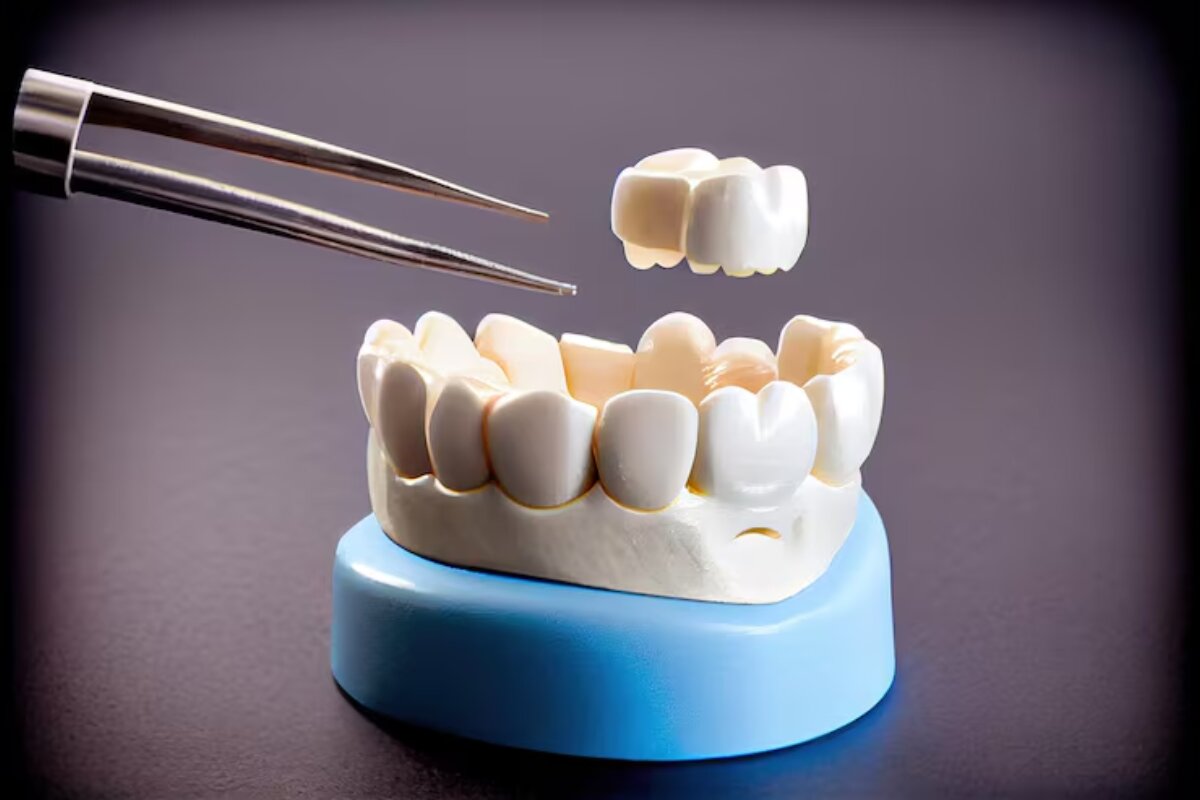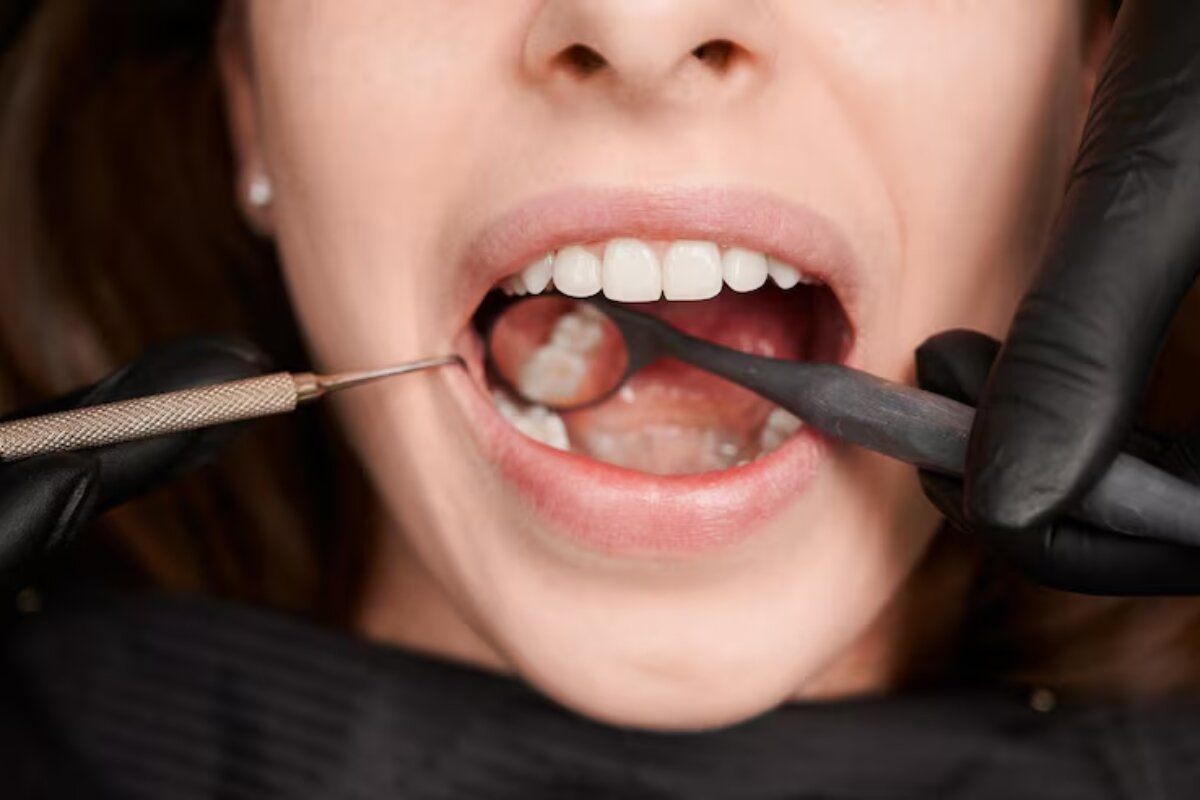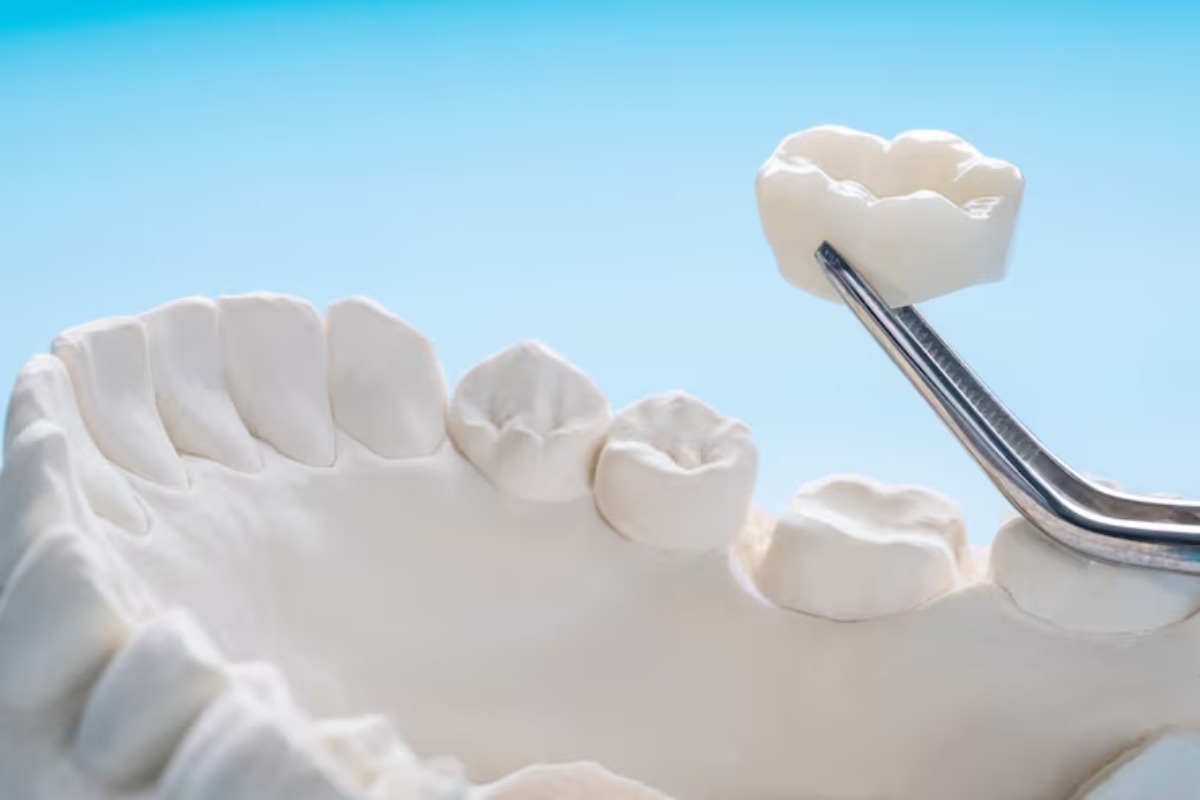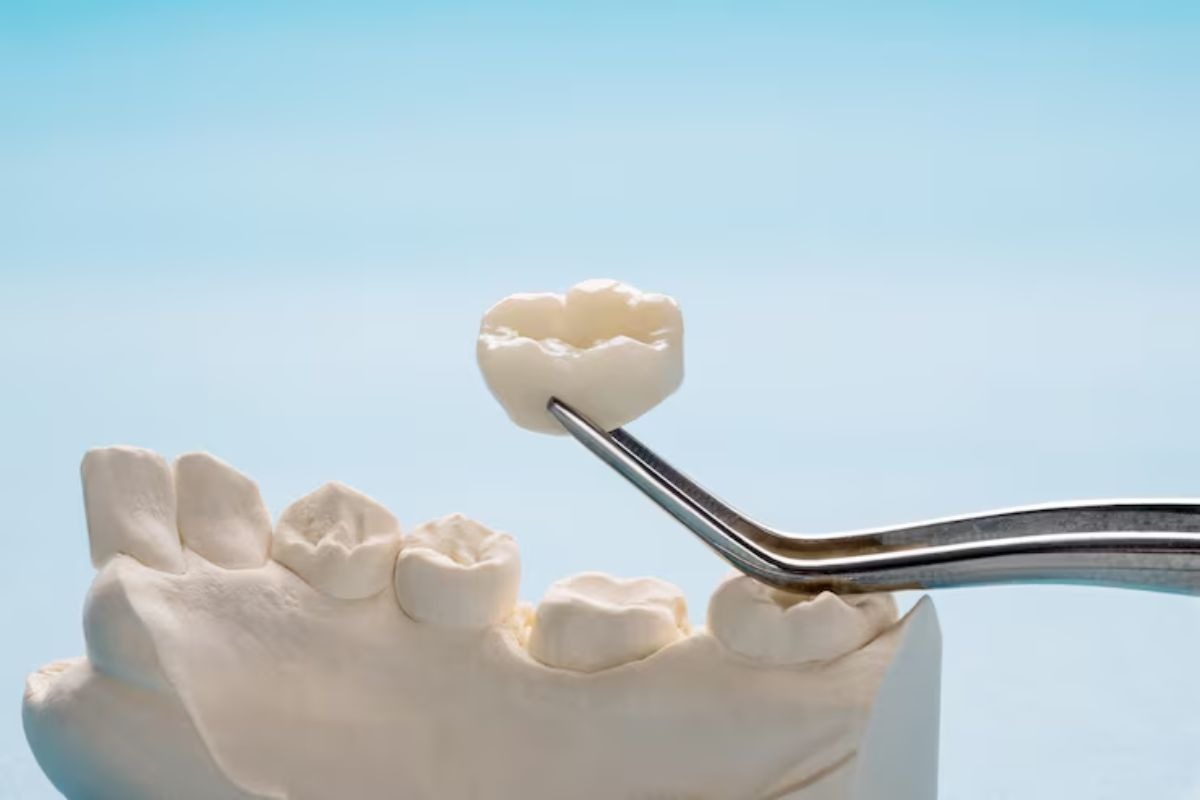
White fillings on back teeth can last for many years, but they may wear down or need to be replaced over time. If you have a filling, you may wonder how long white fillings last on back teeth and when you might need a new one. The answer depends on the size of the filling, how much healthy tooth structure is left, and how much pressure your teeth apply to it when you chew. Your daily habits also matter. Brushing twice a day, flossing regularly, and visiting your dentist for checkups can help keep your filling in good shape. Regular dental visits can also help your dentist find small problems before they become bigger.
How Long Do White Fillings Usually Last?
Many composite fillings remain functional for years, although some need repair or replacement sooner than others. A filling may wear down, loosen, fracture, or develop decay around its edges.
Age alone does not mean a filling needs replacing. If the restoration and surrounding tooth remain healthy, it may simply need monitoring during routine dental examinations.
Seeking professional consultation with a dentist near you will help you understand what affects a filling’s durability, when it may need repair, and how to care for it.
Are White Fillings Good for Back Teeth?
To determine whether white fillings in Bridgeland are suitable for back teeth, a dental assessment can help evaluate your tooth, the size of the cavity, and the level of chewing pressure involved.
Composite fillings can provide a natural-looking result, making them a suitable option for many back teeth. However, larger restorations may face greater stress, particularly in molars that handle substantial chewing forces.
A small cavity surrounded by healthy tooth structure presents different considerations from a large restoration in a heavily damaged molar.
What Can Shorten a Filling’s Lifespan?
Several factors can affect how well a filling holds up:
- Large or deep restorations
- Heavy chewing forces
- Teeth grinding or clenching
- New decay around the filling
- Cracks in the tooth
- Inconsistent brushing and interdental cleaning
- Chewing ice or other unusually hard objects
If a filling takes more pressure than the surrounding teeth, it may be more vulnerable to wear or damage.
How Can You Make White Fillings Last Longer?
To make white fillings last longer, start with consistent oral hygiene. Brush twice daily with fluoride toothpaste and clean between your teeth every day. Regular dental examinations can help identify changes before they become more complicated problems.
Avoid chewing ice and using your teeth to open packaging. If you grind or clench your teeth, mention it during a dental visit.
A dentist in Bridgeland can assess whether the extra pressure may affect your restoration and whether a protective appliance is appropriate.
When Should a White Filling Be Checked?
Arrange a dental assessment if you notice new sensitivity, pain when biting, a sharp edge, a visible chip, or food repeatedly catching around the filling. A white filling can sometimes develop a problem before it becomes painful, so regular checkups remain important.
Keeping Your Restored Tooth Healthy
White fillings can be a practical option for restoring teeth, but their lifespan depends on the condition of the tooth, chewing forces, and daily care.
Book an appointment with Alpine Dental to discuss your filling and treatment options.
Frequently Asked Questions
Can a white filling be repaired instead of replaced?
Sometimes. If only a small area is damaged, repairing the existing restoration may be possible. The treatment mainly depends on the extent of the damage and the condition of the tooth.
Why does a new filling feel high when I bite?
Your bite may need checking if the filling feels uneven or uncomfortable when chewing. Contact your dentist if the sensation persists.
Can teeth whitening change the colour of a white filling?
Whitening products affect natural teeth differently from composite material. Existing fillings may therefore become more noticeable if the surrounding teeth change colour.
Can a large filling weaken a tooth?
A large cavity and the restoration needed to repair it can leave less natural tooth structure. The remaining tooth may need additional protection depending on its condition.